Why We Started CivicReset: Fighting NYC's Rent Crisis Through Zoning Reform


$4,700. That's the median rent in NYC.
$6,381. That's the median monthly household income.
Following sound economic principles, you should spend a maximum of 30% of your gross monthly income on your rent. How are we supposed to spend 74%? Even after settling for sub-par apartments, 50% of NYC households are left rent-burdened.
NYC is expensive — not exactly an earth-shattering revelation — but the real issue needs to be examined. It's not overpopulation, inflation, or gentrification. As a matter of fact, 500k people have moved out of NYC since the pandemic.
It's NYC's outdated zoning laws.
And with City of Yes — a zoning initiative designed to address NYC's housing shortage — being passed, zoning has finally become a priority on NYC's agenda. So let's talk about zoning.
Currently, 75% of New York City is zoned for low-density housing.
Low density? Isn't NYC the most densely populated city in the United States?
NYC, the most densely populated city in the United States, was — and still is — built to support single-family homes, small residential buildings, and other forms of low-density development that make no sense for a city of its scale. NYC, on a fundamental level, cannot sustain its population in an affordable manner.
So before we focus on tax breaks, luxury developments, or temporary rent freezes, it's vital that we push for higher-density, inclusive zoning that actually addresses the scale of NYC's housing crisis. Until we embrace higher-density, inclusive zoning that matches the needs of the city, we'll continue to see rent spikes, displacement, homelessness, transit strain, and the erosion of neighborhood diversity and upward mobility.
That's why we started CivicReset.
We saw firsthand how broken the system is — and we realized no one our age was doing anything about it.
One night, as Angelo and I searched for apartments near our school (Fordham University), we quickly understood the extent of the housing crisis. Studios for $4,000, tiny walk-ups with crumbling walls, and the cherry on top, broker fees. As students, we weren't looking for luxury, we just needed something livable and somewhat close to school. But beyond our struggles, what we found was a market that felt rigged in the favor of landlords. A market that was meant to keep lower and middle income residents perennially renting, while their landlords accumulate obscene wealth.
Frustrated, we called a friend in real estate, trying to understand why things were like this. That's when we heard the word that changed everything — zoning.
We went down the rabbit hole and realized zoning wasn't some obscure policy issue — it was the silent force shaping the city's housing crisis. And no one was talking about it in a way that reached regular New Yorkers. That night, CivicReset was born — not just as a reaction to overpriced apartments, but as a means of empowering New Yorkers to finally stand up for themselves.
In the coming weeks, we'll break down what zoning reform really means, what the "City of Yes" changes, and how you can be part of the movement. Follow along. Speak up. Reset the system.
Written by Farid Sofiyev
To get involved, visit our website or reach out directly.
Related Articles

From Abandoned Site to Affordable Housing: The Story of 1024 Fulton Street
A neglected state-owned site in Brooklyn is being transformed into 125 permanently affordable homes. Sabina Hughes tells the story of 1024 Fulton Street and what it reveals about repurposing public land to fight NYC's affordability crisis.
6 min read
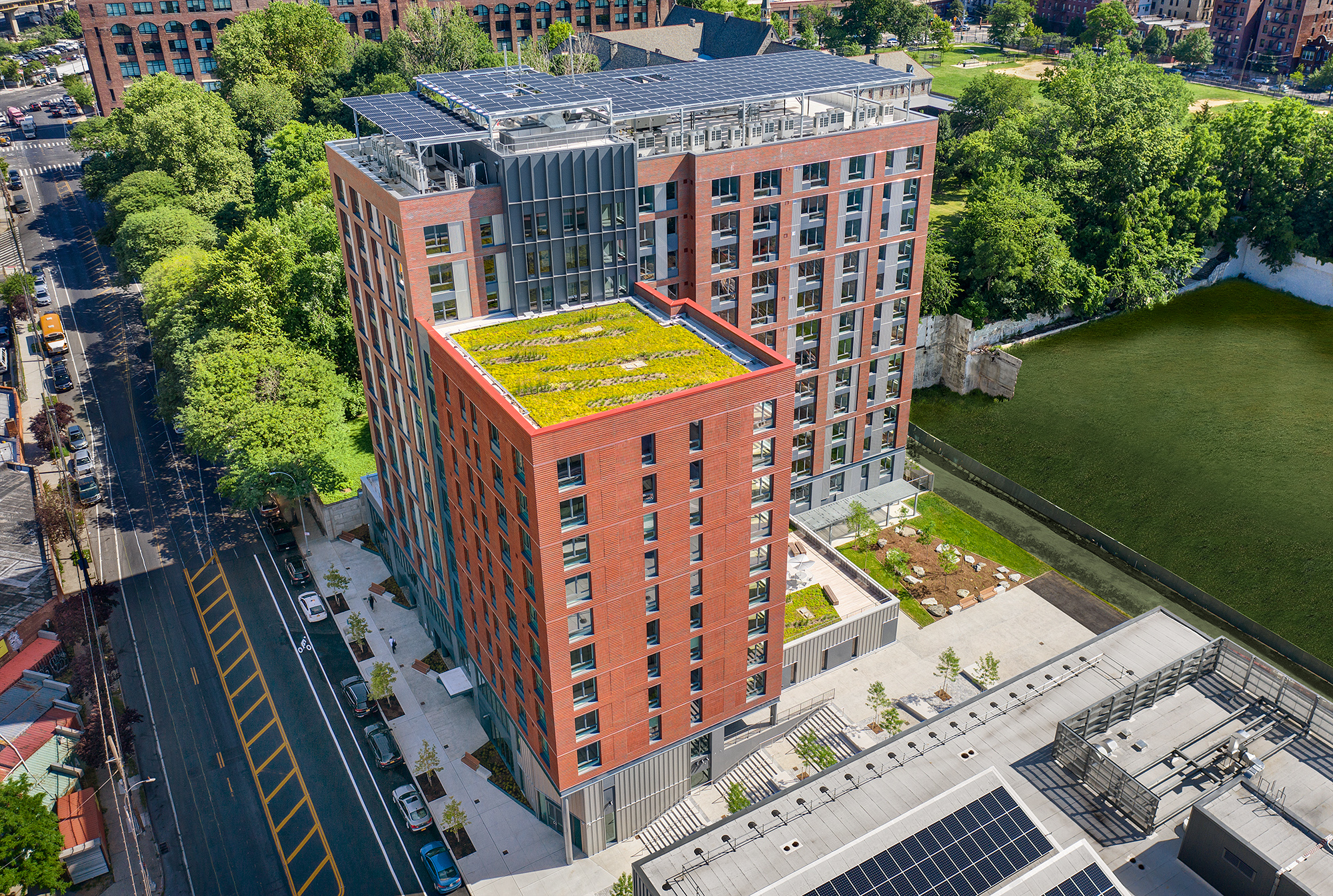
Zoning for Tomorrow: How land-use policies can support innovation, adaptability, and economic resilience in New York City
New York City's outdated zoning laws limit where businesses can operate and how buildings can be designed. Evangeline Eastman argues that modernizing land-use policy can support innovation, adaptability, and economic resilience across the city.
7 min read
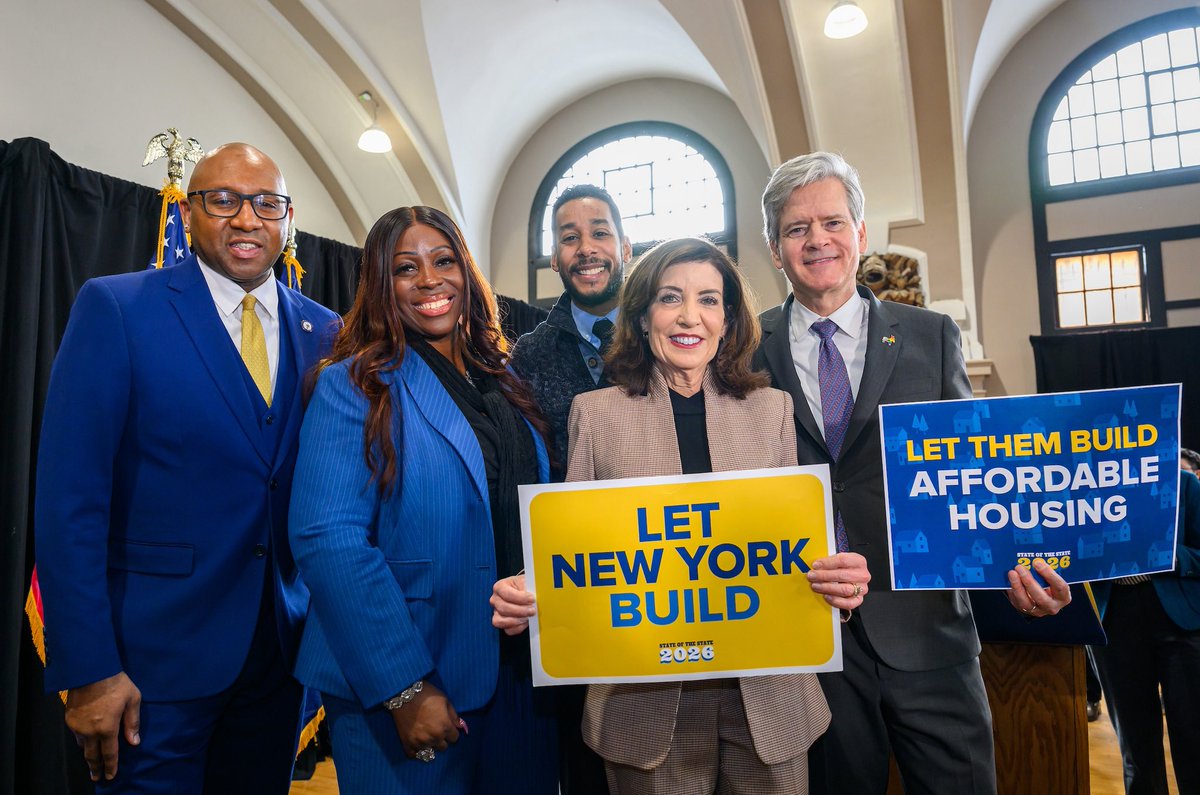
Kathy Hochul's "Let Them Build" — Will Environmental Reform Actually Solve NYC's Housing Crisis?
Governor Hochul's 'Let Them Build' agenda promises to streamline environmental review for housing projects. But is faster paperwork enough to solve New York's deeper housing crisis?
7 min read