Could Shared Housing Solve NYC's Affordability Crisis? Inside the Where We Live Movement

Does New York City need a reset? The Where We Live NYC movement (WWL-NYC) plans to 'fight housing discrimination, confront segregation, and advance opportunities for all'. This is a welcome shift to nearly half of New York City's renters, who are rent-burdened and remain threatened by displacement. A reset isn't just needed, it's overdue.
Those of us at Civic Reset know that the real question is not whether the city can produce a new plan. It's whether that plan disrupts the systems that made housing unaffordable in the first place. One of the most interesting aspects of WWL-NYC is its willingness to advocate for shared housing – a concept that has been practically regulated out of existence in New York City.
The 'Where We Live' NYC Plan:
The 2025 phase builds on the initial 2020 plan. After several years of extensive research, producing valuable partnerships and deepening public engagement, the WWL movement has recommitted itself to 6 goals:
- Fight discrimination and ensure equal access to housing.
- Build more housing across New York City and the region.
- Protect existing affordable housing and prevent displacement.
- Ensure access to different types of neighborhoods for tenants using rental assistance.
- Expand housing options and accommodations for people with disabilities; and
- Improve conditions in historically disinvested neighborhoods.
Since its launch, they have seen many successes. The city reports an addition of 136,000 homes, and over half of their commitments have been completed since 2020. Most notably, they continue their fight for shared housing.
Returning to an Old Idea – Shared Housing:
Shared housing isn't new. Fair housing has been a longstanding fight in New York City. Policies that attempt to alleviate housing discrepancies have been on the books for several decades, yet have failed to support New Yorkers. Today, with rents far outpacing wages, the city is reconsidering a model it once banished.
Shared housing is, as it sounds, where individuals rent rooms within a unit, often sharing a kitchen or bathroom (I currently live in shared housing myself). This method can quickly create alternatives for low-income renters and individuals priced out of traditional units. With regulation and city oversight, this would open more housing possibilities for single or lower-income renters. It would also better reflect the diverse housing needs of New Yorkers.
The Possibilities and Limitations:
Shared housing creates many benefits: lower costs through shared utilities, flexible living arrangements, and more inclusive opportunities for tenants who don't fit a "traditional" mold. It also counters inequity if implemented with proper regulation and oversight.
However, it is important to note that shared housing alone cannot fix deeply rooted systemic issues, such as economic segregation. To better address these matters, the city would need to create a paradigm shift in the system that made housing unaffordable – confronting exclusionary zoning and the profit-driven housing model New York City operates under.
What We Need:
Mayor-elect Zohran Mamdani has expressed positive views about shared housing; however, he maintains a greater emphasis on social housing. Civic Reset calls on Mamdani and other representatives of NYC to push forward shared housing policies as part of, not instead of, housing reform. If implemented correctly, this can open doors for people who have been priced out of the city. Despite a cautious approach, there is growing support for shared housing, and we ought to listen to our community.
A Moment for Hope:
Shared housing was once an overlooked fad; however, as rent burdens our boroughs, New Yorkers are re-examining old ways. Shared housing is a welcome tool in allowing for more accessible and affordable housing.
New Yorkers should hold our city accountable for perpetuating laws that have made housing scarce in the first place. A better future calls for changing the systems and policies that got us here.
Related Articles
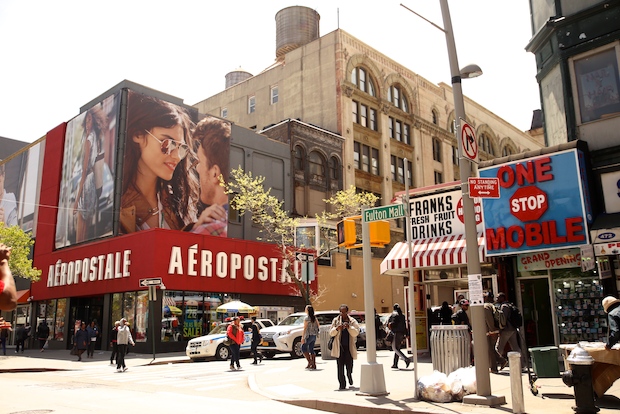
From Abandoned Site to Affordable Housing: The Story of 1024 Fulton Street
A neglected state-owned site in Brooklyn is being transformed into 125 permanently affordable homes. Sabina Hughes tells the story of 1024 Fulton Street and what it reveals about repurposing public land to fight NYC's affordability crisis.
6 min read
Zoning for Tomorrow: How land-use policies can support innovation, adaptability, and economic resilience in New York City
New York City's outdated zoning laws limit where businesses can operate and how buildings can be designed. Evangeline Eastman argues that modernizing land-use policy can support innovation, adaptability, and economic resilience across the city.
7 min read
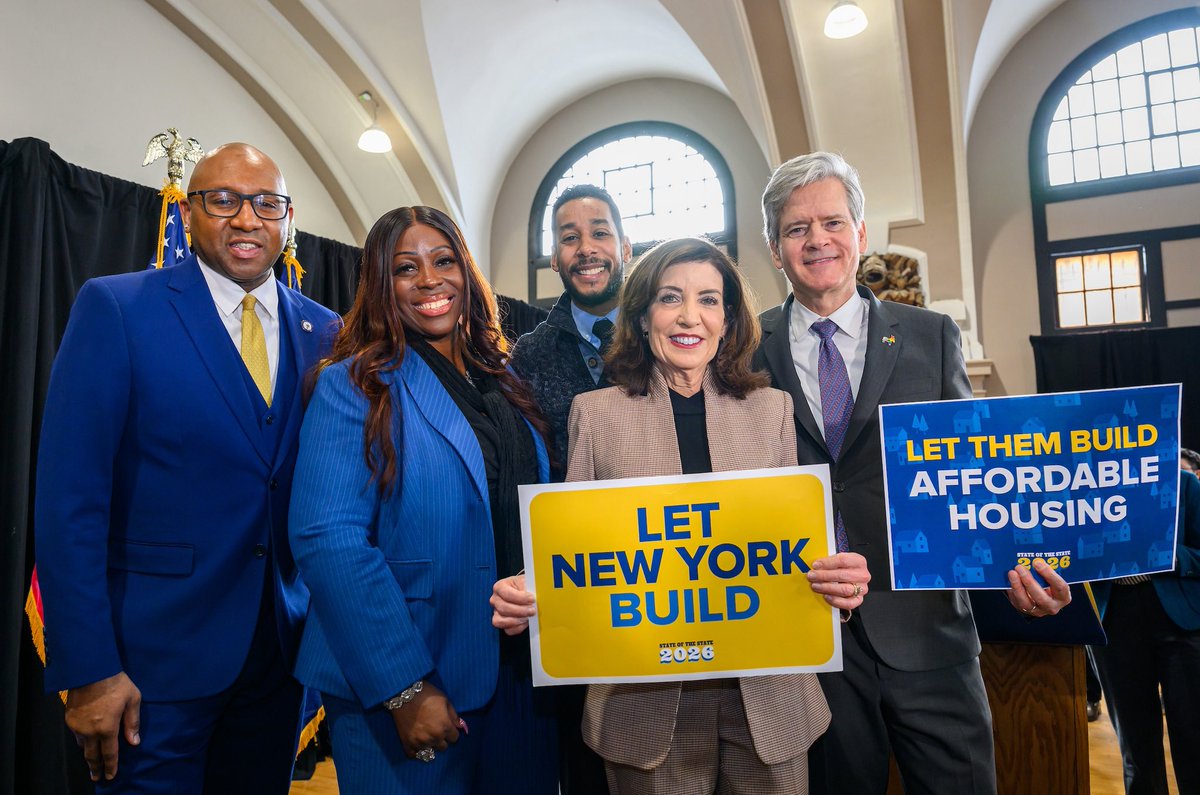
Kathy Hochul's "Let Them Build" — Will Environmental Reform Actually Solve NYC's Housing Crisis?
Governor Hochul's 'Let Them Build' agenda promises to streamline environmental review for housing projects. But is faster paperwork enough to solve New York's deeper housing crisis?
7 min read