
Finding an Affordable Apartment in NYC: A Real Guide

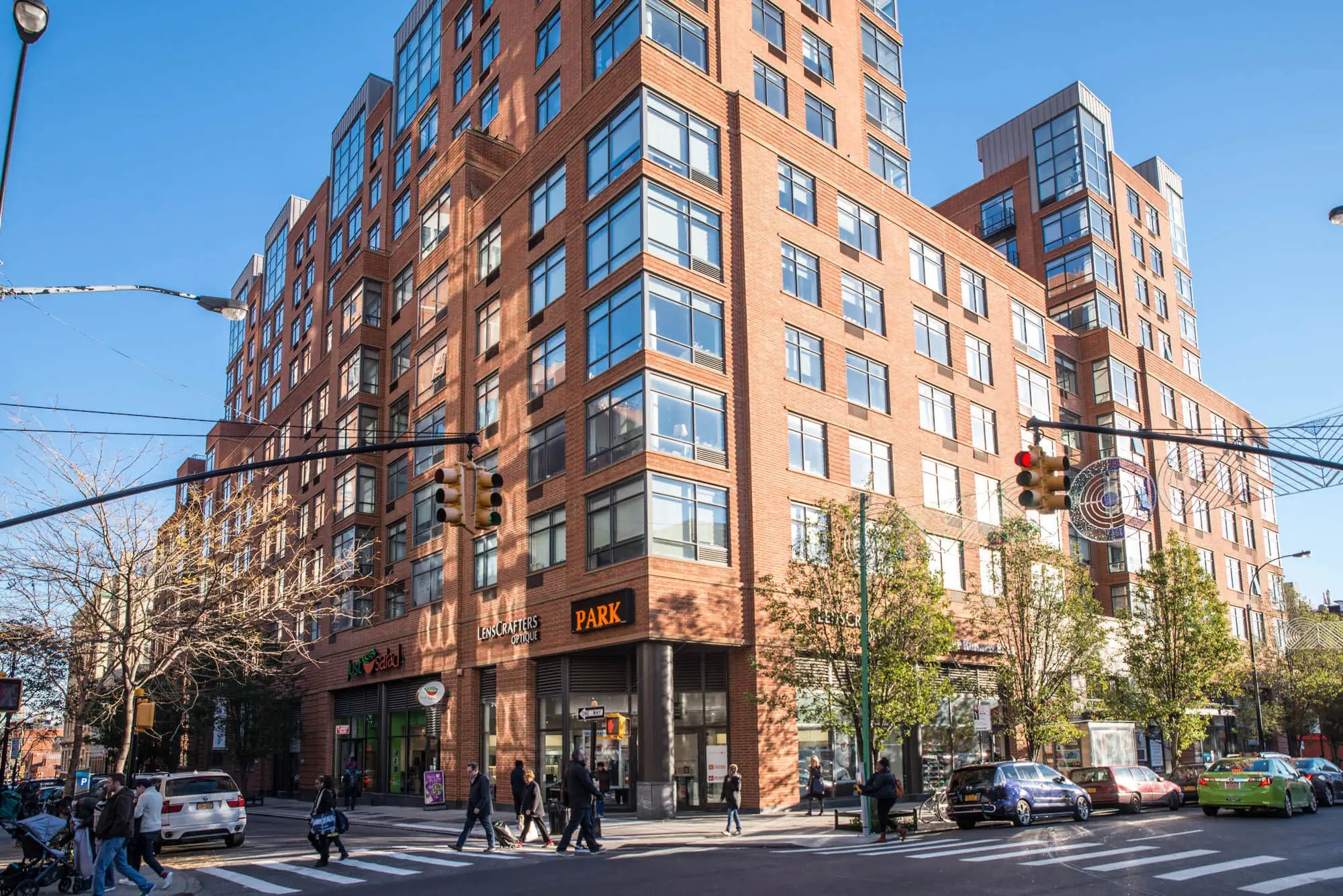
Let's be honest, looking for an apartment in New York City feels impossible. You scroll through StreetEasy and see $5,000 one-bedrooms in Tribeca that haven't been updated since the '90s. Then you check out Williamsburg thinking it might be more affordable, but two-bedrooms are going for $3,500+. Even Astoria, which everyone always said was the "good value" neighborhood, has gotten ridiculously expensive.
And it's not like New Yorkers don't work hard. Teachers, nurses, city employees, people in service jobs, recent grads, folks who'd be doing just fine anywhere else in the country are getting priced out.
But here's the thing: there are affordable apartments in New York. They're just hidden. And the system for finding them is confusing on purpose (okay, maybe not on purpose, but it sure feels that way). Once you understand how it actually works, you've got a shot at affordability.
The Secret: NYC Has Two Different Rental Markets
This is the part nobody tells you when you move here.
When you're searching on StreetEasy or Zillow, you're only seeing half the picture—the market-rate apartments. These are the ones where landlords can charge whatever they want and jack up the rent whenever someone moves out. This is about half of all rentals in the city, and yeah, it's brutal.
The other half? Rent-regulated apartments. These include rent-stabilized and rent-controlled units where the rent is capped by law, you get lease renewals, and you have real protections against eviction.
So why doesn't everyone have one? Because they're nearly impossible to find. Landlords don't need to advertise them widely, there's always demand. And the people who have them hold onto them forever, because leaving means paying way more somewhere else.
A lot of people don't even know these apartments still exist. But hundreds of thousands of New Yorkers are living in them right now.
Rent-Stabilized vs. Rent-Controlled: What's the Difference?
Rent control is basically extinct. It only applies if you've been in the same apartment since before 1971. Unless you're subletting from your great-aunt, this isn't relevant to you.
Rent stabilization is what matters. It covers most buildings with six or more units that were built before 1974, plus some newer ones that got tax breaks. The Rent Guidelines Board sets the annual increase limits, and they're usually way lower than the market rate.
What you get with a rent-stabilized apartment:
- Your rent can only go up by a small, set amount each year
- Your landlord has to renew your lease
- You can't be evicted without a real reason
- You can fight back if they try to illegally raise your rent
Basically, it's the difference between stability and constantly worrying about being priced out.
How to Actually Find These Apartments
Okay, so how do you find them? It takes work, but it's doable.
Stop Relying Only on Listing Sites
StreetEasy is great for browsing, but rent-stabilized apartments usually don't end up there.
Try:
- Neighborhood Facebook groups (join a bunch)
- Local community board websites
- Just asking around
People moving out of stabilized apartments will sometimes post in these places looking for someone to take over.
Walk Around
I know this sounds like something your parents would suggest, but it genuinely works. Walk through neighborhoods you like and look for "For Rent" signs in building windows. Older buildings especially will just tape a sign up and wait. These are often stabilized units that will never see the internet.
Look for Older Buildings
If a building has six+ units and was built before 1974, there's a good chance it has rent-stabilized apartments. Even if a listing doesn't say "rent-stabilized," ask. Some landlords just don't mention it.
Contact Property Management Companies Directly
Find companies that manage older buildings and email them asking about stabilized vacancies. Some keep informal waitlists. It shows you're serious and you know what you're looking for.
Know Your Rights
Once you're in a stabilized apartment, request the rent history from the state to make sure everything's legal. Landlords sometimes illegally inflate rents, betting that tenants won't check. Don't be one of those tenants.
NYC Housing Connect: The Official Lottery
If hunting for apartments sounds exhausting, there's another option: NYC Housing Connect. It's the city's affordable housing lottery system.
Here's how it works: new developments and renovated buildings list apartments at below-market rates based on your income (Area Median Income, or AMI). You apply, and if you're selected, you go through an approval process.
The catch? Competition is intense. Some lotteries get 50,000+ applications for 20 apartments. The timeline can stretch for months or even years. And the paperwork requirements are no joke, one missing document can knock you out.
But here's why people still do it: these lotteries aren't just for people making minimum wage. Plenty of units are set aside for moderate-income households such as teachers, paralegals, office workers, couples with decent jobs who still can't afford $4,000/month.
If you apply to multiple lotteries consistently, your odds get better over time. It's a numbers game.
Why Is It Like This?
The real problem? New York doesn't build enough housing. Not even close.
Huge parts of the city are zoned for low-density housing, even near subways and jobs. Building anything new means navigating a nightmare of red tape, community board meetings, and lawsuits. So developers don't build, or they only build luxury units because that's the only thing worth the hassle.
Meanwhile, demand keeps growing. More people want to live here than there are places to live. When supply can't keep up, prices go up. It's not complicated.
Other cities are trying to fix this. Minneapolis got rid of single-family-only zoning. California passed laws allowing more housing near transit. New York talks about it but moves slowly, often because people oppose new development in the name of "preserving neighborhood character", which really just means keeping other people out.
What Actual Affordability Would Look Like
Imagine if:
- Rent-stabilized apartments were easy to find and clearly labeled
- Affordable housing wasn't a lottery you might never win
- Middle-class people didn't have to panic every time their lease came up
- The city built housing where people actually need to live
That would require political courage, zoning changes, and prioritizing people over NIMBYism. It's possible, but it requires pressure.
What You Can Do Right Now
Until the system changes, here's the reality: you need to be strategic and persistent. Apply to Housing Connect lotteries even if they feel like long shots. Walk neighborhoods. Join Facebook groups. Talk to people. Ask management companies directly.
Finding an affordable apartment in NYC shouldn't feel like cracking a secret code. But for now, it kind of does. The apartments are out there, you just have to know where to look and be willing to put in the effort.
And honestly? When you finally land one, the relief is worth it. Stability in this city is rare. But it exists, and it's still possible to find.
Related Articles
From Abandoned Site to Affordable Housing: The Story of 1024 Fulton Street
A neglected state-owned site in Brooklyn is being transformed into 125 permanently affordable homes. Sabina Hughes tells the story of 1024 Fulton Street and what it reveals about repurposing public land to fight NYC's affordability crisis.
6 min read
Zoning for Tomorrow: How land-use policies can support innovation, adaptability, and economic resilience in New York City
New York City's outdated zoning laws limit where businesses can operate and how buildings can be designed. Evangeline Eastman argues that modernizing land-use policy can support innovation, adaptability, and economic resilience across the city.
7 min read
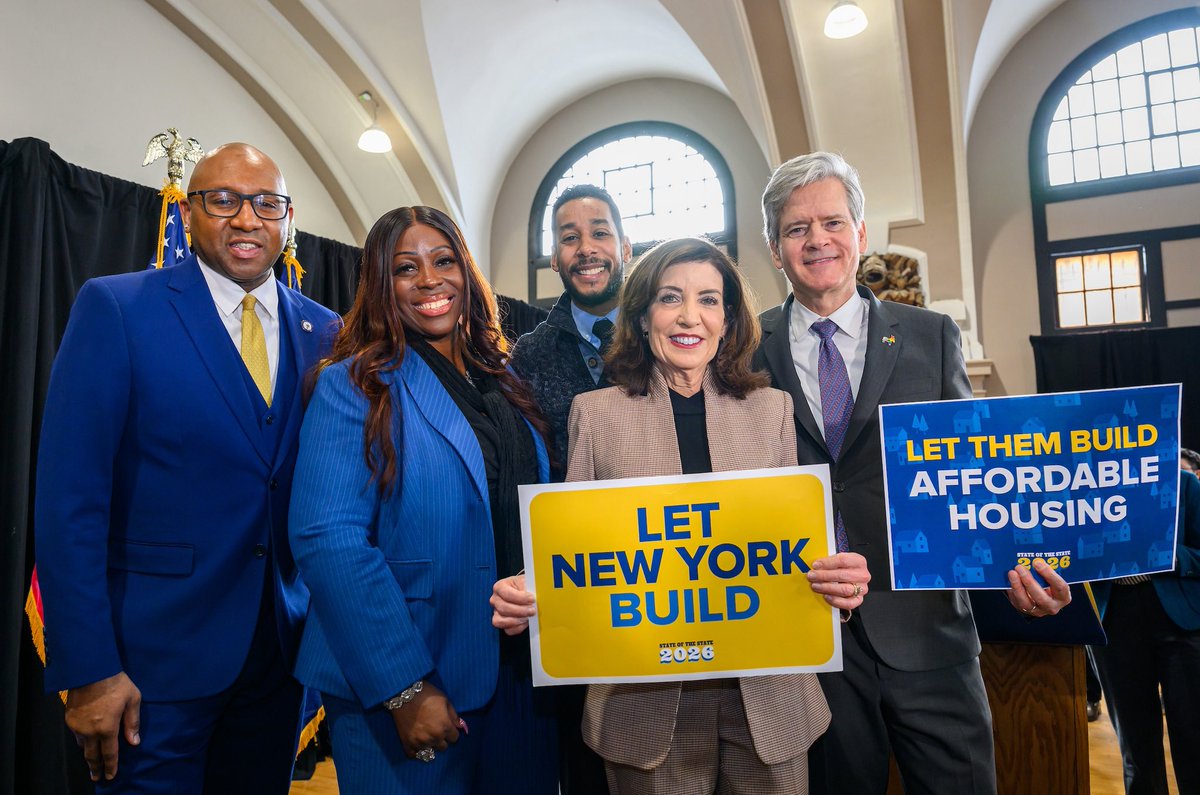
Kathy Hochul's "Let Them Build" — Will Environmental Reform Actually Solve NYC's Housing Crisis?
Governor Hochul's 'Let Them Build' agenda promises to streamline environmental review for housing projects. But is faster paperwork enough to solve New York's deeper housing crisis?
7 min read