This Oklahoma Development Shows What Walkable Cities Are Supposed to Look Like
This article features the work of our partner Building Culture, whose innovative approach to urban development aligns with Civic Reset's mission for sustainable, community-focused housing.
What is Townsend?
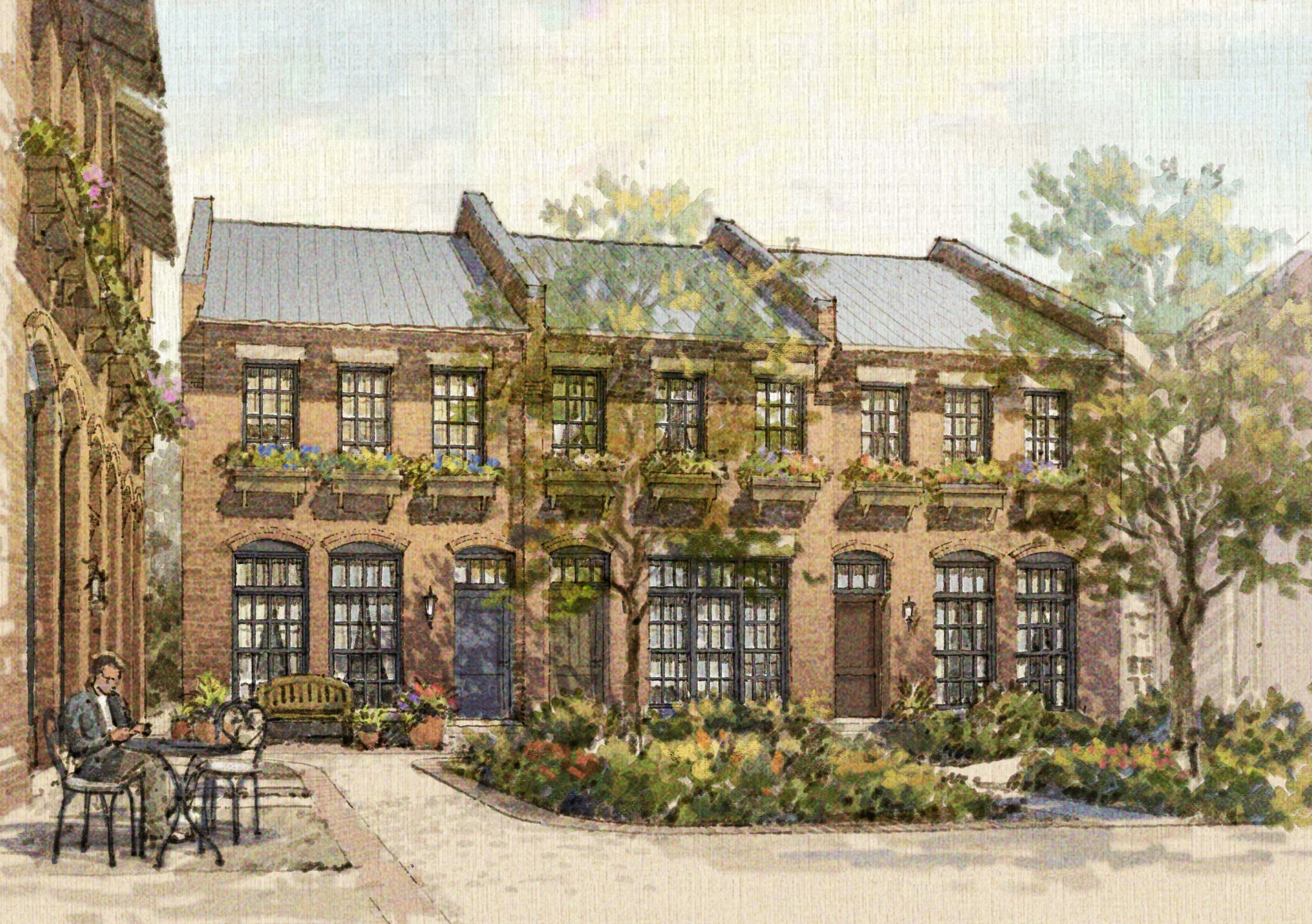
Notice anything different about Edmond, Oklahoma? What once was underdeveloped land is now the site of "Townsend", a mixed-use urban development that sets a precedent for walkable cities.
In 2020, entrepreneurs Austin Tunnell and Matthew Myers set out to bring a fresh housing plan to Edmond, Oklahoma: a vertically integrated development that blended residential, commercial, and community spaces into a walkable neighborhood. Years of extensive planning, researching, and building followed. By late 2025, Townsend was no longer a dream for the two – it was a reality!
A mixed use housing development in Edmond, Oklahoma was a bold yet applauded choice for the two. As it was designed to turn underdeveloped land into an urban neighborhood, Townsend offers luxury living in the heart of Edmond. As co-founder Austin Tunnell says, "Even if Townsend isn't in your town, I've learned that creating compelling alternatives is the way to push the ball forward... It's a truly one-of-a-kind urban infill neighborhood."
What Does Townsend Stand For and Why Is It a Good Example of Good Planning?
When looking at newly developed communities across the country, really only two design styles stand out. High-density bland apartment blocks, which often demand higher rents, and repetitive low-quality isolated single-family homes, which leave families isolated and drowning in expenses.
With more people demanding change, developers are finally catching on. Townsend specifically caught our attention because of its unique building plan. Townsend is set to offer 12 homes, office/coworking space, and 13,000 square feet of retail space, all while creating a walkable site with courtyards, anchor buildings, and an air of intimacy that many modern developments lack.
This intimacy, coupled with the ability to know your neighbors and meet in common spaces, positions Townsend as a model for new developers to follow. Public support for Townsend, especially on platforms like Twitter, shows that this new idea of a walkable community is no longer an abstract concept; it's something people need.
Once Townsend is fully developed, it will be able to act as a reference point for developers looking to pursue similar projects and be an influence on city planners who have traditionally avoided walkable spaces. It's time we get rid of strip malls and build walkable, nature-facing communities.
How Will This Impact Future Projects?
Drawing inspiration from Townsend, other developers could benefit by looking beyond traditional developmental tactics and eventually creating neighborhoods to better incorporate community and livability. Townsend demonstrates the benefits of walkability and access to local markets and green spaces, which innately bring communities together.
Townsend offers developers the idea of looking beyond mass-produced units and corporate restaurants. Instead of grey paneled apartments and Starbucks, Townsend brings brick construction and local restaurants. Townsend is visionary. It shifts the focus back to the importance of good design, incorporating the value of craftsmanship and natural materials into the design of the units.
The focus on sustainability and health, through energy-efficient resources and attention to indoor air quality, shows how more developers could make health and wellness a priority in urban development. By mixing into the community as opposed to standing apart, Townsend will pave a path for a new era of city planning.
How Does Townsend Represent CivicReset's Mission?
Here at CivicReset, we've extensively discussed the harm that comes with large-scale, price-gouging developments. Townsend itself demonstrates the unfortunate reality of fundraising for small-to-medium scale developers. In a conversation with Austin, he told us that he had to go to over 30 private investors to raise the funds needed for Townsend. While real estate private equity firms get simple bank or private credit loans, developers aiming for sustainable community living are punished.
Our goals as an organization include engaging young people in housing policy, sparking conversations about zoning and urban development, and advocating for community living through sustainable and affordable developments. Townsend is a fundamental push towards all three goals. It has amassed hundreds of thousands of views across social media – and people love it. Townsend could set a precedent, ending the days of cheap building materials, congested streets, and lack of community and affordability – and we're here for it.
Related Articles
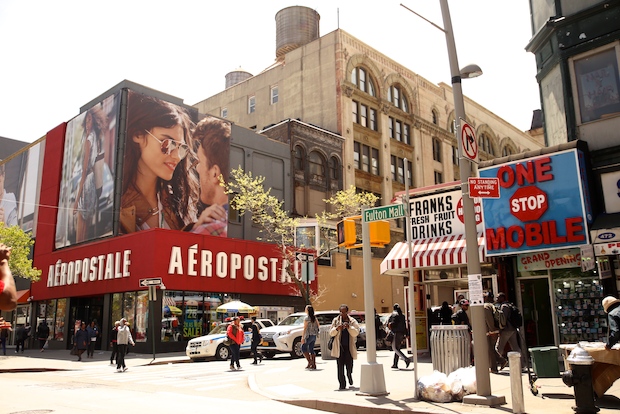
From Abandoned Site to Affordable Housing: The Story of 1024 Fulton Street
A neglected state-owned site in Brooklyn is being transformed into 125 permanently affordable homes. Sabina Hughes tells the story of 1024 Fulton Street and what it reveals about repurposing public land to fight NYC's affordability crisis.
6 min read
Zoning for Tomorrow: How land-use policies can support innovation, adaptability, and economic resilience in New York City
New York City's outdated zoning laws limit where businesses can operate and how buildings can be designed. Evangeline Eastman argues that modernizing land-use policy can support innovation, adaptability, and economic resilience across the city.
7 min read
Kathy Hochul's "Let Them Build" — Will Environmental Reform Actually Solve NYC's Housing Crisis?
Governor Hochul's 'Let Them Build' agenda promises to streamline environmental review for housing projects. But is faster paperwork enough to solve New York's deeper housing crisis?
7 min read