
Zillow Says the Housing Market Is 'Healthy' — Buyers Say It's Still Broken

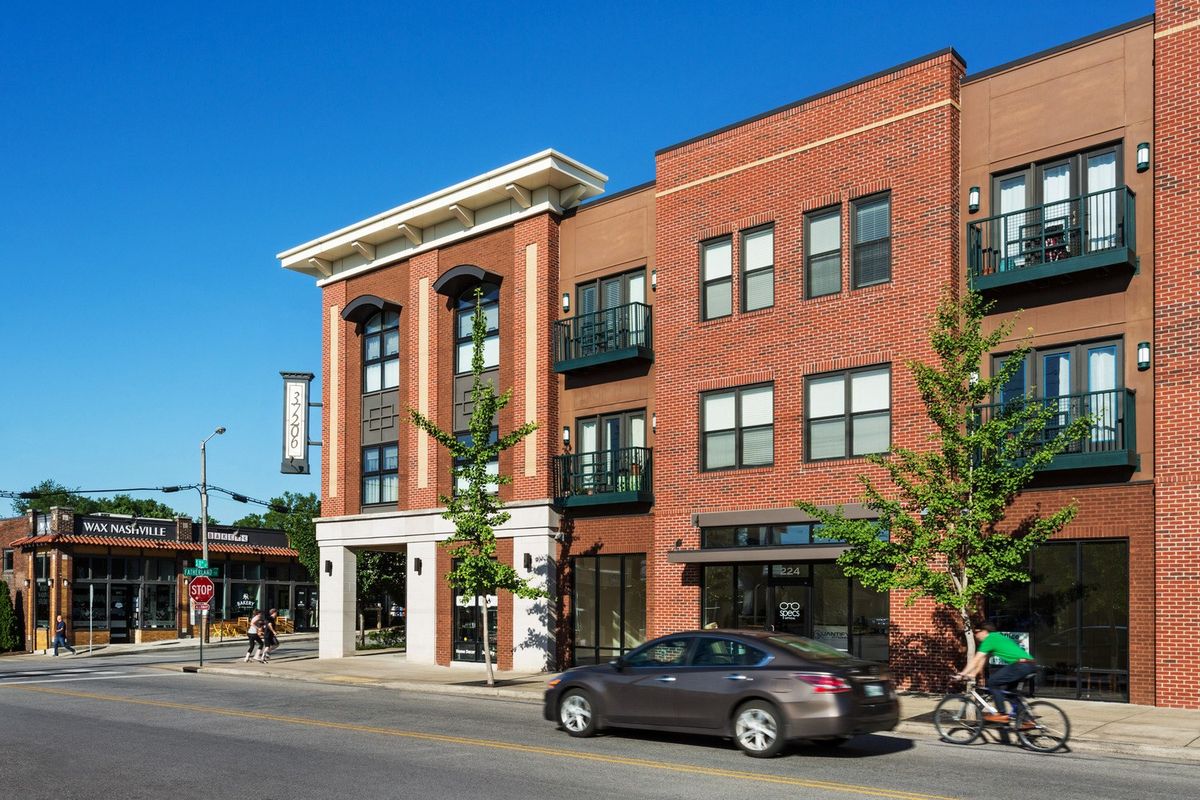
In its recent housing market forecast, Zillow economists predicted that U.S. home prices will 'modestly' rise from November 2025 to November 2026. This finding was provided after researching over 400 U.S. housing markets. Essentially, housing markets may be stabilizing; but do not suggest they are becoming more affordable nor more accessible.
National home values are expected to increase by approximately 1-2%. While this is much slower than the increases we have seen during the pandemic, it still means prices are moving upward instead of downward. Although stability is in sight, the improvement for the conditions of these buyers is not. A stable market does not equal opportunity, especially with historically high prices.
Zillow's 2026 Prediction
What began as a negative national outlook on home prices turned around by the year's end. Rather, the outlook represented a 2% rise. Despite demand cooling in some regions, housing costs still remain very high. This trend shows a persistence of elevated housing costs in many U.S. regions. Additionally, it shows how resistant home prices have become – limited supply continues to keep prices high. In other words, fewer buyers does not automatically mean lower prices.
The market is settling rather than correcting. Structural issues such as zoning and insufficient construction continue to outweigh changing demands. Instead of a reset, the market is pressing pause at prices people still cannot afford. Meaningful policy intervention is needed to improve access to homeownership.
Implications on Younger Generations
While Zillow claims the housing market will likely settle into 'a healthier state in 2026', steady price increases present major challenges for younger generations. Increasing home prices are a significant barrier to becoming a homeowner, especially to first time buyers. Overall, prices remain well above pre-pandemic levels, mortgage rates remain elevated, and most importantly, wages have not kept up with the cost of living.
Real estate costs are one of the largest contributors to wealth inequality, keeping younger generations down in wealth brackets. All together, these factors continue to limit first time buyers and delay financial stability. For younger generations, this 'healthy' housing market does not feel healthy at all. Even the aforementioned 'modest' price increases can push homeownership further out of reach. As a result, we have seen the forced delay of younger generations buying a home.
Ripple Effects on Rental Markets
Expensive housing markets often place a large amount of pressure on rental markets. As homeownership remains out of touch, people are forced to put off purchasing and stay in rental units longer than desired, especially those younger generations. Zillow's research even highlighted a growing number of individuals who plan to rent out of necessity. This extreme pressure on rental markets has kept rent prices elevated.
Even with affordability anticipating to improve this year, Zillow expects multifamily rents are expected to rise 0.3%. High rents are a form of housing inflation – savings that could have gone towards a down payment but rather are going towards ongoing rent payments. This is a cycle that feeds itself: renters cannot save, therefore they cannot buy, which then leaves them in the same system that keeps prices elevated.
Looking Ahead
Zillow's home forecast report is useful because it can help to forge realistic hopes and expectations. These reports help us to pin down what exactly needs to be corrected in the market. Instead of hoping for a housing crash, Zillow's report suggests that affordability issues are likely to persist. Knowing this, people can focus on long-term solutions rather than short-term ones.
Moreover, housing markets are expected to calm down as supply has improved compared to pandemic-led shortages. Researchers suggest this should help with modest price increases and help give buyers more stability. Even so, the dream to own a home remains out of touch for many young people, indicating that 'market health' does not always mean affordability and accessibility. Ultimately, a housing market can be stable while still being inaccessible. Until affordability is addressed with meaningful policy changes, stability will be an inadequate measure of success.
Related Articles

From Abandoned Site to Affordable Housing: The Story of 1024 Fulton Street
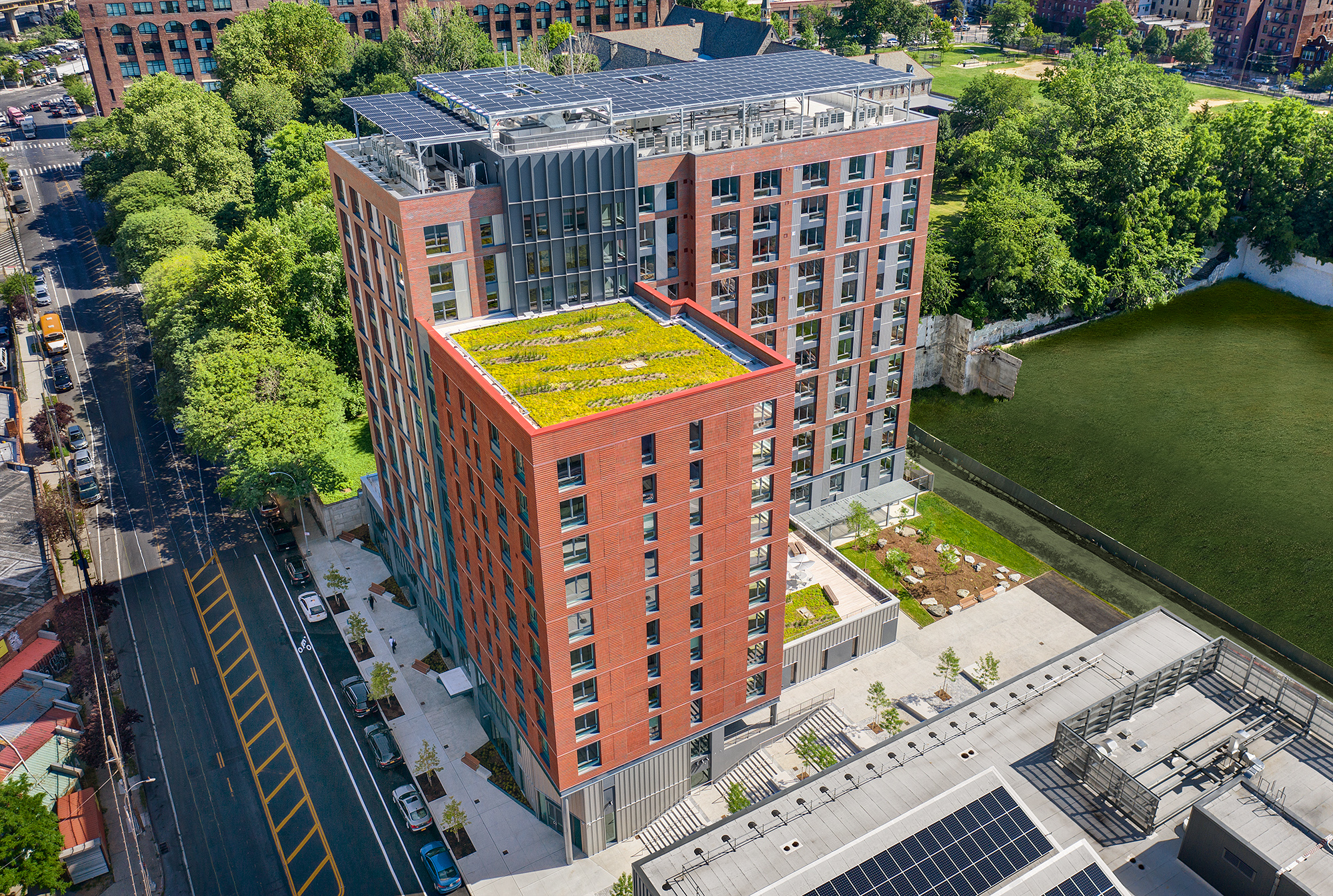
A neglected state-owned site in Brooklyn is being transformed into 125 permanently affordable homes. Sabina Hughes tells the story of 1024 Fulton Street and what it reveals about repurposing public land to fight NYC's affordability crisis.
6 min read
Zoning for Tomorrow: How land-use policies can support innovation, adaptability, and economic resilience in New York City
New York City's outdated zoning laws limit where businesses can operate and how buildings can be designed. Evangeline Eastman argues that modernizing land-use policy can support innovation, adaptability, and economic resilience across the city.
7 min read
Kathy Hochul's "Let Them Build" — Will Environmental Reform Actually Solve NYC's Housing Crisis?
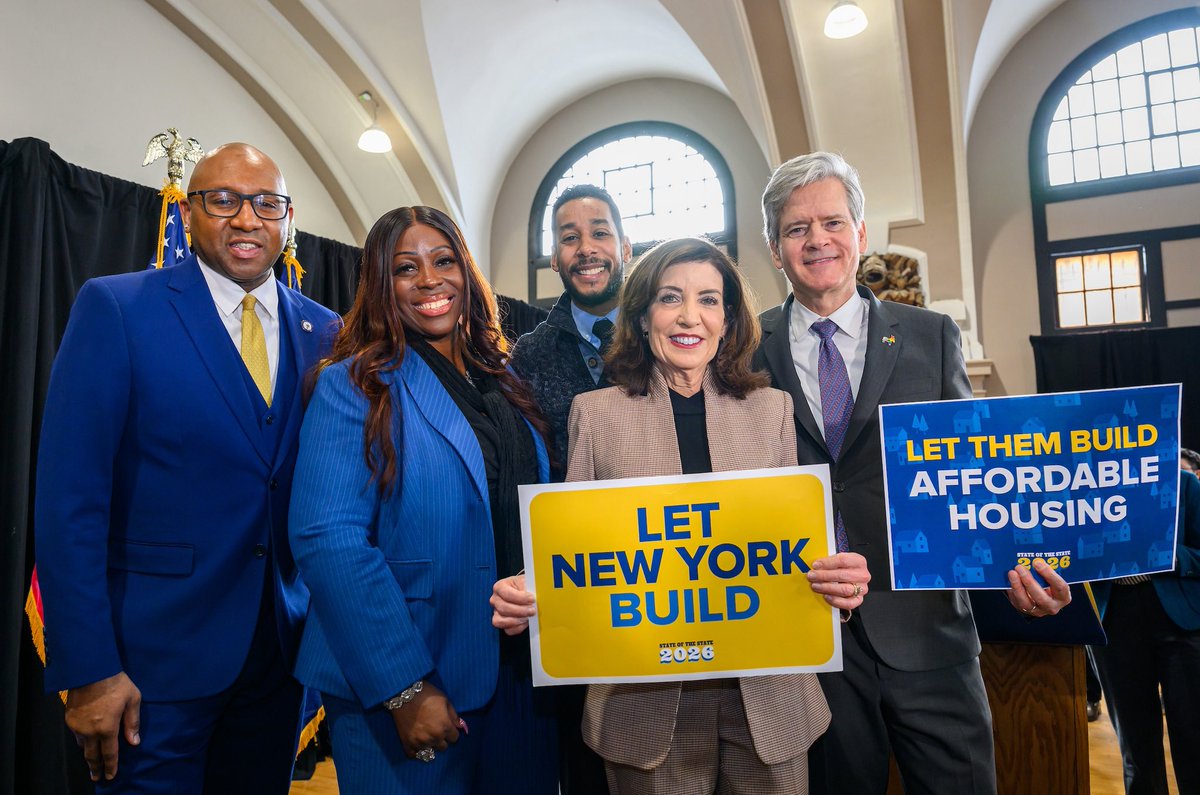
Governor Hochul's 'Let Them Build' agenda promises to streamline environmental review for housing projects. But is faster paperwork enough to solve New York's deeper housing crisis?
7 min read