
Trump's Investor Ban: The Real Numbers Behind America's Housing Crisis


On January 8, 2026, President Donald Trump made an announcement that sent shockwaves through Wall Street. He said he'd ban large institutional investors from buying more single-family homes, declaring "People live in homes, not corporations." Stock prices for major rental companies tanked. Invitation Homes fell over 7%, American Homes 4 Rent dropped 6.3%, and Blackstone sank more than 4%.
For millions of Americans who've been losing bidding wars on houses, this felt like someone finally getting it. But when you dig into the numbers, the story gets way more complicated than "Wall Street is buying all the houses."
What's Really Going On With Investor Purchases
Large institutional investors (those owning over 1,000 homes) only own about 3.4% of all rental homes nationwide. Investors owning 100 or more properties make up less than 1% of all home purchases. Compare that to investors as a whole, which includes your neighbor who owns a couple rental properties, and you'll find they bought one-third of all single-family homes sold in the second quarter of 2025.
Their impact is super concentrated in certain cities. In Atlanta, they own 25% of single-family rentals. In Jacksonville, 21%. In Charlotte, 18%. If you live in one of these Sun Belt cities, you're definitely feeling their presence. But nationally, it's a much smaller piece of the puzzle.
Research from Baruch College professor Joshua Coven shows large landlords actually help lower rents by adding to rental supply. But they're also taking homes off the market that families could buy, accounting for about 20% of price increases in markets where they're most active.
The Actual Problem: We're Missing 4.7 Million Homes
Here's what most housing economists will tell you: we just don't have enough houses. America's housing shortage hit 4.7 million units in 2023. We added roughly 1.4 million new homes that year, but 1.8 million new families formed. We're literally building backwards.
Goldman Sachs estimates we need to build at least 3 to 4 million additional homes beyond our normal construction pace just to get back to a healthy market. The shortage comes from underbuilding after 2008, restrictive zoning laws, construction labor shortages, and rising building costs.
But here's what really gets me: starter homes have basically vanished. Between the late 1970s and 2020, construction of entry-level single-family homes (under 1,400 square feet) dropped from 418,000 units per year to just 65,000. Builders would rather construct bigger, more expensive houses because they make more money.
Only 24% of home purchases in 2024 were made by first-time homebuyers, down from 50% in 2010. The median first-time buyer had to put down 9%, which means years of saving before you can even think about buying.
The Construction Crisis Everyone's Ignoring
While Trump's going after investors, there's this whole other crisis nobody's talking about: we literally don't have enough people to build the homes we need.
The construction industry is short about 350,000 workers every month. To meet current demand, the industry needs to hire around 723,000 workers annually. As of mid-2024, they were averaging fewer than 6,000 new hires per month.
A study from the Home Builders Institute found that in 2024 alone, the labor shortage meant 19,000 fewer homes got built and cost the economy $10.8 billion. Construction times have ballooned from 7 months to almost 11 months. Every month a project sits unfinished, the developer's paying more to finance it. Guess who ends up paying for that? The buyers.
About 25% of construction workers and 33% of those in skilled trades are immigrants. With stepped-up immigration enforcement, we could see even more worker shortages and higher costs.
Building Materials Are Insanely Expensive
Total compensation costs for multifamily developers jumped 11.9% over the past year, while building materials increased 19.2%. The National Association of Home Builders estimated that 24% of the average new home price comes from regulations, with a lot from permitting delays.
What Would Trump's Ban Actually Do?
Trump's proposal would stop large institutional investors from buying more homes but wouldn't make them sell existing ones. Economists say this means any immediate impact would probably be pretty limited.
Redfin's chief economist Daryl Fairweather basically said that policies encouraging more housing construction would probably do more for affordability than banning institutional landlords.
There are practical issues too. Investors owning fewer than 10 properties control over 90% of all investor-owned homes. Defining "large institutional investor" becomes critical. Set the bar too high and the policy does nothing. Too low and you're hitting small landlords who provide most rental housing.
An Unintended Consequence
Here's an unintended consequence: American Homes 4 Rent got 95.7% of its homes through its own homebuilding division in the first three quarters of 2025. Their building division is the nation's 37th-largest builder. If you ban institutional investors from buying homes, they'll probably stop building new ones too. This could actually reduce total housing supply and push prices higher.
Zoning: The Real Villain
While everyone's mad at institutional investors, restrictive zoning is quietly strangling housing production. Research shows that when cities force large minimum lot sizes, housing prices shoot up. Doubling the minimum lot size raises homeowners' income at mortgage application by 12%.
Goldman Sachs ran a simulation where major cities relaxed land use regulations to match the 25% of cities with the least restrictive policies. The result? About 2.5 million more housing units over the next decade, eliminating roughly two-thirds of the housing shortage.
Some Cities Have Made Progress
Houston allowed smaller lot sizes and saw tens of thousands of homes on smaller lots get permitted. Minneapolis reduced parking requirements and saw new apartment buildings go up. California has passed over a dozen bills since 2016 to encourage accessory dwelling units.
But progress is painfully slow. An Urban Institute study found that nationwide, relaxing land use restrictions only increased housing supply by 0.8% in the medium term. Most reforms have been minor tweaks instead of bold changes.
The Down Payment Wall
Even if you find an affordable home, saving for a down payment is brutal. The median down payment nationwide hit about $62,000 in mid-2025. In San Jose, California, it was $451,500.
Down payment assistance programs have exploded to 2,509 across the United States as of Q1 2025. These programs usually give you $2,500 to $15,000, though some offer way more. The Columbia Cascade Housing Corporation in Oregon gives first-generation homebuyers up to $60,000 as a grant with no repayment required.
Congress tried to do more with the Downpayment Toward Equity Act (up to $25,000 in assistance), but it's stuck in committee with no real path forward under the Trump administration.
Why This Proposal Gets People So Fired Up
Housing isn't just about money. It's about stability, identity, and whether the American Dream is still real. When people believe corporations are pushing them out of homeownership, they get angry, regardless of statistics.
TD Cowen analyst Jaret Seiberg pointed out the timing shows how worried the Trump administration is about housing affordability affecting midterm elections. For first-time buyers who've lost multiple bids to cash offers, this proposal feels like someone finally acknowledging their struggle, even if institutional investors aren't their main competition.
The proposal also has rare bipartisan support. Democrats have been criticizing corporate housing involvement for years. Senator Elizabeth Warren has called for restrictions on investor purchases. When both sides are mad about something, it creates political momentum.
What Would Actually Fix This
Most housing experts say we need comprehensive solutions:
Build Way More Homes
Remove regulatory barriers, streamline permitting, and train construction workers. The sector needs to add about 723,000 workers annually through 2028.
Fix Zoning Laws
Allow accessory dwelling units statewide, eliminate single-family-only zoning in urban areas, reduce minimum lot sizes, streamline approvals, reduce parking requirements near transit, and allow duplexes, triplexes, and townhomes. California and Oregon have used state laws to override restrictive local zoning.
Build Actually Affordable Housing
Expand the Low-Income Housing Tax Credit program, fund affordable housing trusts, and support community land trusts.
Invest in Infrastructure
Public transit allows denser development near stations, reducing car dependency and making housing more affordable when you factor in transportation costs.
Expand Down Payment Assistance
Get the word out about existing programs (49% of struggling homebuyers hadn't even looked into them) and expand funding.
Stabilize Material Costs
Reduce tariffs on construction materials, invest in domestic manufacturing, and stabilize supply chains.
Trump's investor ban could be part of this bigger package. By itself, though, it's treating a symptom while ignoring the disease.
The Bigger Question
At the core of this debate is a philosophical question: Should housing be treated mainly as a financial asset or as a basic human need? Over recent decades, housing has become increasingly financialized.
This has created enormous wealth for some. The median homeowner has a net worth 40 times greater than the median renter. But it's made things really insecure for a lot of people. When housing markets care more about returns, people without money lose out. Young adults delay marriage and kids because stable housing feels impossible.
Trump's proposal challenges this system by saying there should be limits on treating housing like any other commodity. Critics argue you can't reverse financialization with one policy. Without big reforms (zoning changes, public housing investment, training construction workers), the underlying problems stay the same.
What This Means for Our Generation
For millennials and Gen Z, housing affordability shapes decisions about careers, relationships, and whether to have kids. The median first-time buyer age has risen from 29 in the 1980s to 36 today.
Delayed homeownership affects everything. It postpones wealth building because renters miss years of home equity accumulation. It affects fertility rates. It changes where people live, as young adults leave expensive coastal cities for more affordable places.
Homeownership has traditionally been associated with political conservatism. A generation priced out of homeownership might develop very different political views. This helps explain why housing affordability has moved to the center of politics.
The Bottom Line
Trump's proposal is as much about symbolism as actual policy. America's housing crisis has multiple causes: not enough supply, restrictive zoning, labor shortages, expensive materials, stagnant wages, and yes, investor activity in some markets. Fixing it requires addressing all these factors at once.
The numbers are clear. Housing starts fell to a five-year low in May 2025. We're short 4.7 million units. Labor shortages cost $10.8 billion annually. Starter homes have disappeared. First-time buyers need $62,000 for a median down payment.
Institutional investors own 3.4% of rental homes nationwide and make up less than 1% of home purchases. They're not the main story. The main story is that America stopped building enough homes, then created regulations that make it expensive and time-consuming to build more.
Zillow's senior economist said it best: we know what works. Lower the barriers to building so we can have more density and less expensive housing.
Whether institutional investors should be banned is ultimately a values question. Should housing markets prioritize efficiency and returns, or should society protect access for families? The answer shapes not just policy but the character of American communities.
The Stakes
Trump's proposal has put housing affordability at the center of debate. In a country where over 75% of homes are unaffordable for most Americans, we need this conversation.
The question isn't whether the housing system needs to change. The question is whether politicians will pursue solutions that match how big the problem is: building millions more homes, reforming zoning, training workers, stabilizing costs, and maybe restricting some investor activity in overheated markets.
Or will they just go for gestures that look good politically while leaving millions priced out of the American Dream?
The homes not built this year will shape American life for decades. The workers not trained, the zoning not reformed, the down payments not assisted compound over time. The $10.8 billion lost annually to labor shortages isn't theoretical. The 4.7 million missing homes aren't just numbers. They're families unable to find stable housing, workers unable to afford living near jobs, communities unable to attract young families.
America doesn't just need to change who can buy homes. We need to build millions more homes for anyone to buy at all.
Related Articles
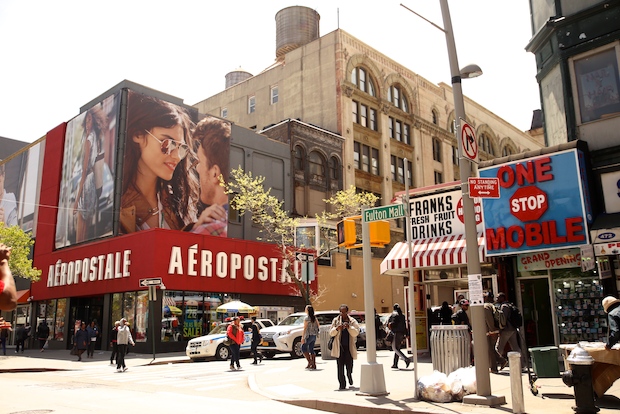
From Abandoned Site to Affordable Housing: The Story of 1024 Fulton Street
A neglected state-owned site in Brooklyn is being transformed into 125 permanently affordable homes. Sabina Hughes tells the story of 1024 Fulton Street and what it reveals about repurposing public land to fight NYC's affordability crisis.
6 min read
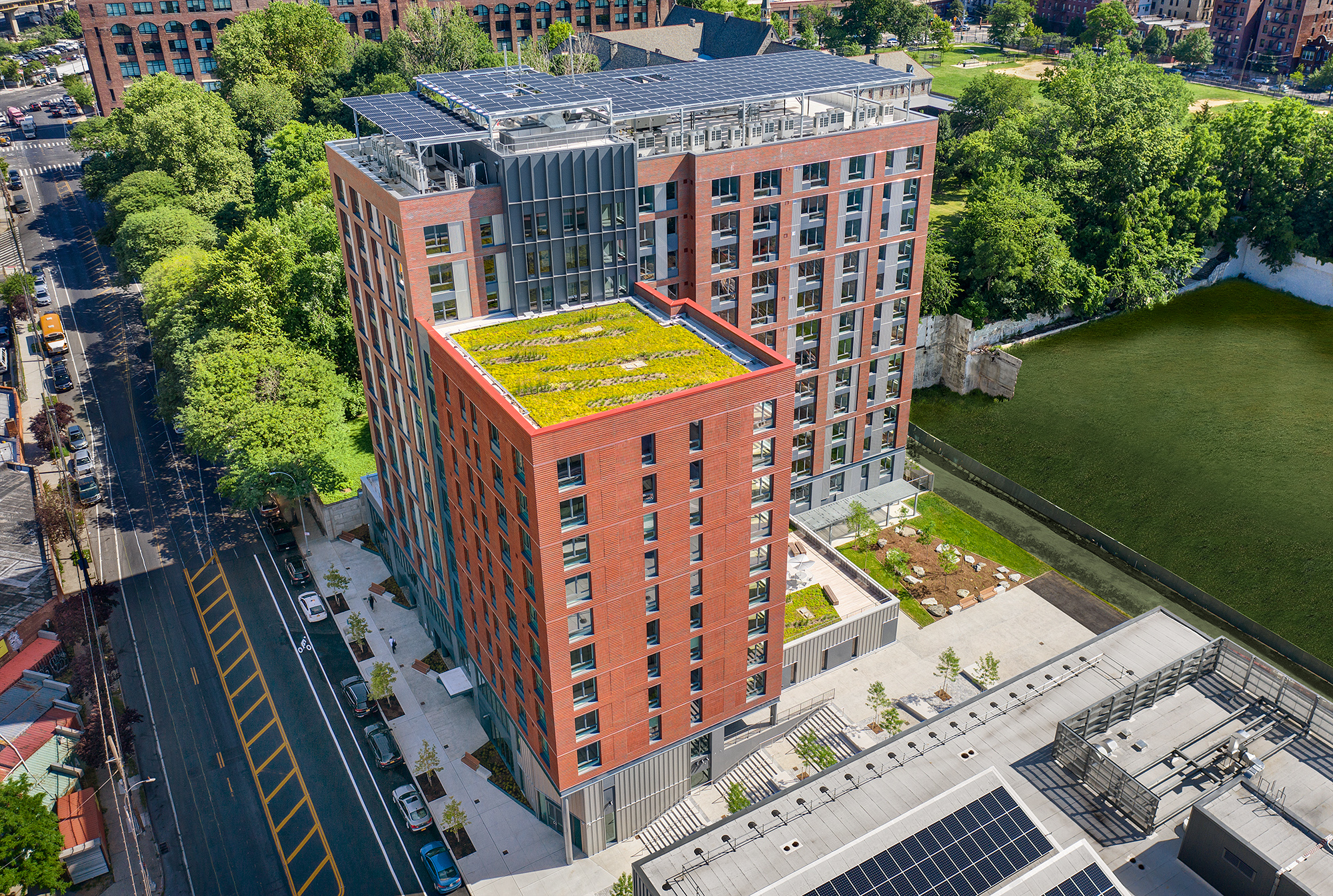
Zoning for Tomorrow: How land-use policies can support innovation, adaptability, and economic resilience in New York City
New York City's outdated zoning laws limit where businesses can operate and how buildings can be designed. Evangeline Eastman argues that modernizing land-use policy can support innovation, adaptability, and economic resilience across the city.
7 min read
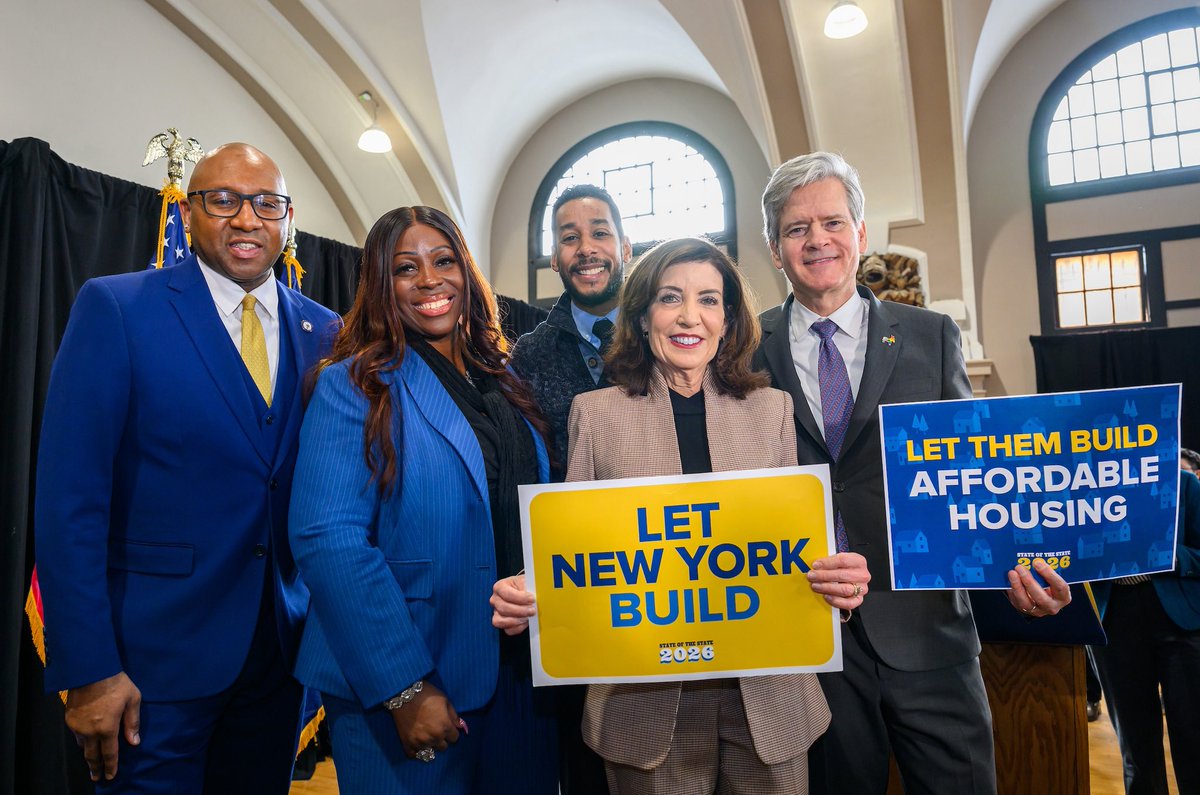
Kathy Hochul's "Let Them Build" — Will Environmental Reform Actually Solve NYC's Housing Crisis?
Governor Hochul's 'Let Them Build' agenda promises to streamline environmental review for housing projects. But is faster paperwork enough to solve New York's deeper housing crisis?
7 min read