How One Texas Congresswoman Is Building a Housing Model for the Rest of America

Why Housing Affordability Requires More Than Just Building
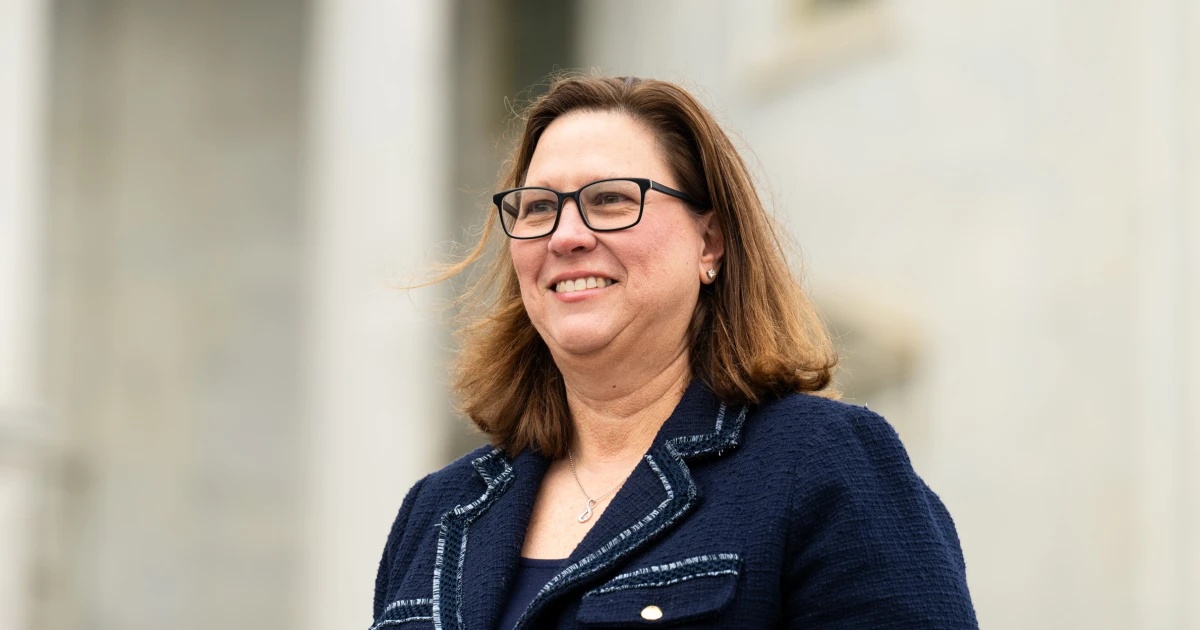
Housing affordability is a critical issue in North Texas, and Representative Julie Johnson has made comprehensive housing resolution a central focus of her work. By prioritizing federal funding, advocating for affordable housing projects, and promoting sustained community engagement, Johnson aims to implement a holistic strategy that addresses the complex factors impacting housing in the region. She frames the issue as structurally linked to transportation systems, access to employment, availability of community spaces, and overall quality of life.
In Texas's 32nd District, many families face unsustainable housing costs as rents rise faster than wages. First-time homebuyers are often priced out due to a lack of affordable starter homes, while longtime residents struggle to remain in changing neighborhoods. Johnson addresses these challenges with a strategy that views housing affordability as part of a broader community ecosystem.
$15.5 Million in Infrastructure That Makes Housing More Affordable
Johnson has secured over $15.5 million in federal funding for 15 different projects across Dallas, Farmers Branch, and Richardson, from fixing up parks to building better bike trails, improving sidewalks, and upgrading public transit.
At first glance, parks and sidewalks might seem unrelated to housing. But when public transportation works well, and neighborhoods are walkable, families spend less money getting around, leaving more for rent or mortgage payments. Consider a family spending $400 a month on car-related costs because there's no reliable bus route to work. If improved transit cuts costs in half, they've effectively made their housing $200 more affordable each month, even if their rent hasn't changed. This kind of indirect affordability improvement often gets overlooked in housing policy discussions, but it matters enormously for families living paycheck to paycheck.
Access to green spaces also makes neighborhoods more desirable places to live. When a neighborhood has well-maintained parks, safe places for kids to play, and trails for walking or biking, property values tend to stabilize rather than fluctuate unpredictably, benefiting both homeowners and renters. The trail systems Johnson has supported also serve a practical purpose beyond recreation: in many North Texas communities, major employment centers sit just a few miles from residential areas, but getting there without a car can be nearly impossible. Safe, connected bike and pedestrian paths open up job opportunities for people who don't own vehicles.
$52 Million in Community Development Loans That Actually Work
Beyond infrastructure, Johnson has backed community development programs that have generated over $52 million in loans and investments, more than 1,100 of them. A significant portion has gone toward creating affordable rental housing for families squeezed by rising costs.
Community Development Financial Institutions (CDFIs) fill an important gap that traditional banks often ignore, providing funding for projects that prioritize community impact over maximum profit. Traditional lending often fails affordable housing because the numbers don't work the same way luxury development does. When you're building apartments that rent for $800 instead of $1,800, profit margins are tighter, and conventional lenders often pass. CDFIs step into that gap, measuring success not just in financial returns but in families housed and neighborhoods stabilized.
Many of these projects also include energy-efficient features that lower utility bills for residents. In Texas, where summer cooling costs can run $200–$300 per month, better insulation and efficient systems can cut utility bills by 30–40%. For a family already struggling with rent, that's the difference between making it and falling behind.
$146 Million in Tax Credits Bringing Investment to Overlooked Communities
Johnson has also secured nearly $146 million in New Markets Tax Credit allocations for North Texas. This program incentivizes private investment in low-income communities by offering tax credits, helping mobilize funding for projects that might otherwise never happen—from commercial development that brings jobs to mixed-use projects combining housing, retail, and community facilities.
In North Texas, as in many metro areas, investment has historically flowed to certain neighborhoods while bypassing others entirely. The result is a patchwork of thriving areas alongside struggling communities with limited options and aging infrastructure. The job creation aspect matters significantly: when people can work close to where they live, they spend less time commuting and more time in their communities. That's time with kids, time for education or a second job, time for the things that make neighborhoods livable.
Local employment also changes neighborhood economics. When workers are also residents, they shop at nearby stores and eat at local restaurants. This spending circulates through the community, creating a multiplier effect that strengthens the entire local economy. These tax credit investments have supported everything from grocery stores in food deserts to health clinics in underserved areas, from small business incubators to community centers.
Community Engagement That Goes Beyond Checking Boxes
One thing that stands out about Johnson's approach is her commitment to genuine community engagement. She holds town halls and public forums where residents can voice their concerns and share their ideas, not as a box to check, but out of recognition that people who live in these communities know what they need better than anyone else.
When residents have real input into decisions affecting their neighborhoods, outcomes improve. They know which intersections are dangerous, where services are lacking, and what kinds of housing their neighbors need. These gatherings also build connections between neighbors, forming relationships that strengthen the entire community long after any individual project is completed.
Johnson's approach recognizes that top-down solutions often miss the mark. A development that looks good on paper might ignore crucial local context. By bringing community voices into the process from the beginning, Johnson helps ensure that federal resources address actual needs rather than assumed ones.
Confronting the Legacy of Redlining
Johnson's work also tackles systemic barriers that have historically limited housing access for marginalized communities. Redlining's legacy persists: neighborhoods that were denied investment decades ago still tend to have lower property values, fewer amenities, and less investment today. Families denied homeownership opportunities lost out on generations of wealth building, and the racial wealth gap we see today is directly connected to these historical policies.
Exclusionary zoning laws that prohibit multi-family housing or require large lot sizes continue to limit housing options in many communities, often maintaining economic and racial segregation regardless of original intent. Through support for fair housing initiatives, housing counseling services, and efforts to ensure new development doesn't displace existing residents, Johnson is working to expand opportunity rather than simply manage scarcity.
A Blueprint That Other States Can Follow
Johnson's work demonstrates that addressing housing affordability requires attention to multiple factors simultaneously. It's not enough to just build more housing, or just improve infrastructure, or just engage communities; you need all of it working together.
North Texas is projected to add millions of residents over the coming decades. Without deliberate action to ensure affordable housing remains available, market forces will continue pushing prices upward. Without infrastructure investment, traffic will worsen, and neighborhoods will strain under increased pressure.
For families in the 32nd District, this approach matters in concrete ways. It's the difference between being able to afford to stay in your community and being forced to move. It's about whether you spend half your income on rent and transportation or have some left over for other needs. These aren't abstract policy questions; they're about real decisions families face every day.
Johnson's comprehensive strategy—combining federal investment, affordable housing support, economic development, and genuine community partnership—offers a practical model for how elected officials across America can make a real difference in housing. The work is far from finished, but her track record shows what's possible when an elected official combines strategic use of federal resources, authentic community engagement, and willingness to tackle both immediate needs and deeper structural problems.
Related Articles

From Abandoned Site to Affordable Housing: The Story of 1024 Fulton Street
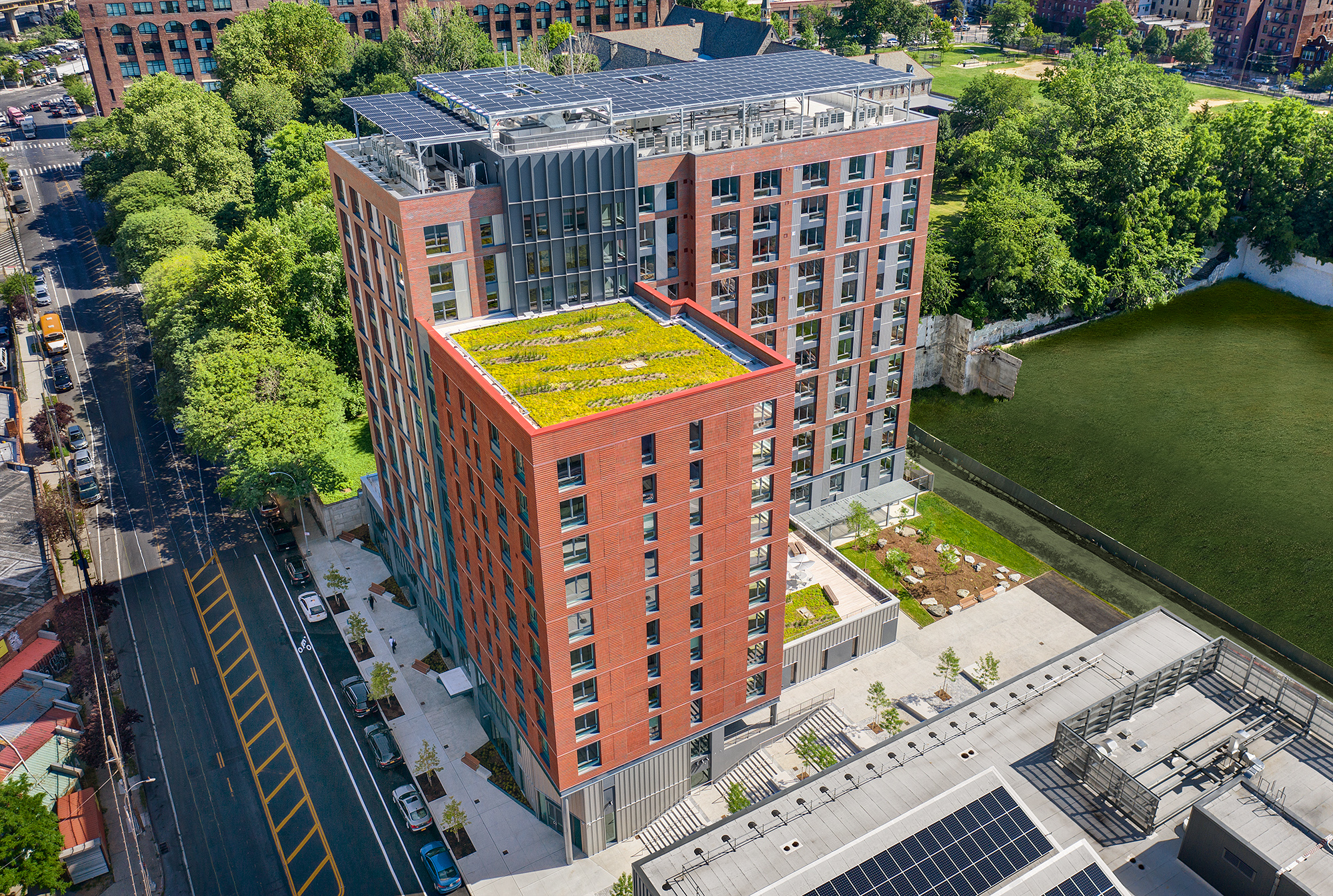
A neglected state-owned site in Brooklyn is being transformed into 125 permanently affordable homes. Sabina Hughes tells the story of 1024 Fulton Street and what it reveals about repurposing public land to fight NYC's affordability crisis.
6 min read
Zoning for Tomorrow: How land-use policies can support innovation, adaptability, and economic resilience in New York City
New York City's outdated zoning laws limit where businesses can operate and how buildings can be designed. Evangeline Eastman argues that modernizing land-use policy can support innovation, adaptability, and economic resilience across the city.
7 min read
Kathy Hochul's "Let Them Build" — Will Environmental Reform Actually Solve NYC's Housing Crisis?
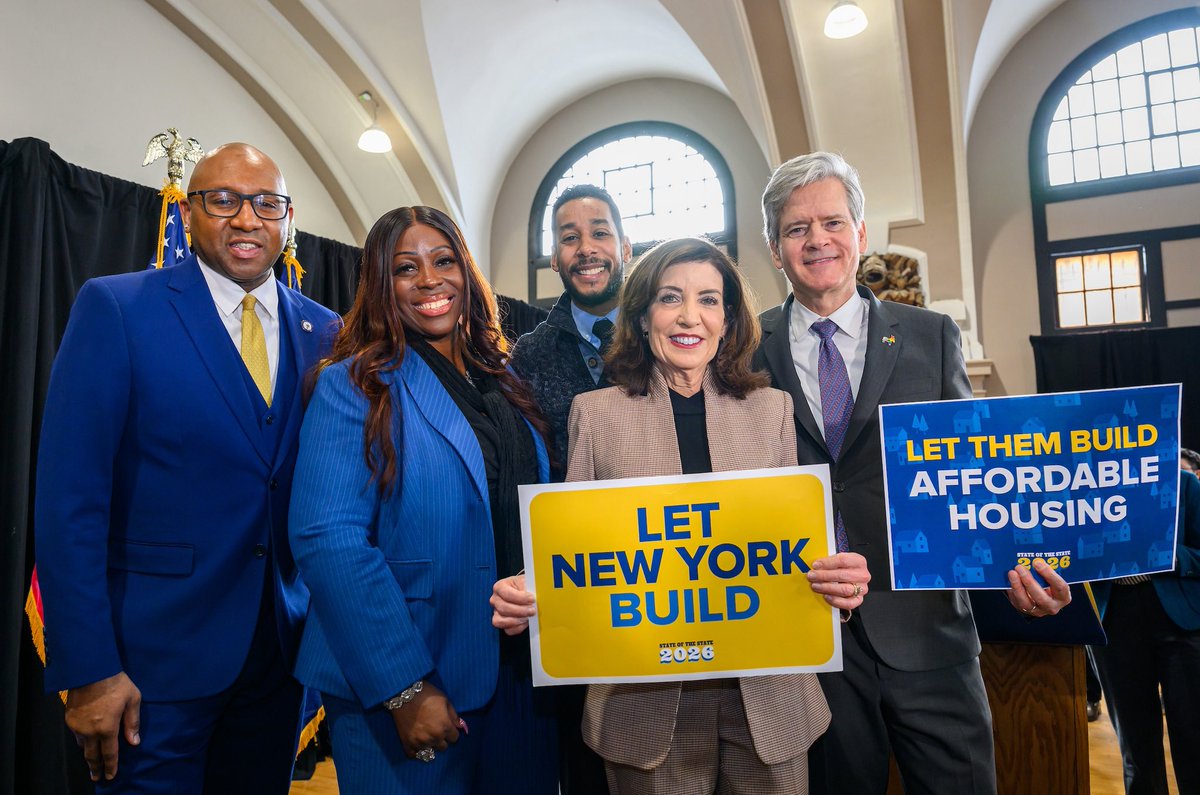
Governor Hochul's 'Let Them Build' agenda promises to streamline environmental review for housing projects. But is faster paperwork enough to solve New York's deeper housing crisis?
7 min read