Growing Up in the City That Never Sleeps — A Case for Raising Kids in New York
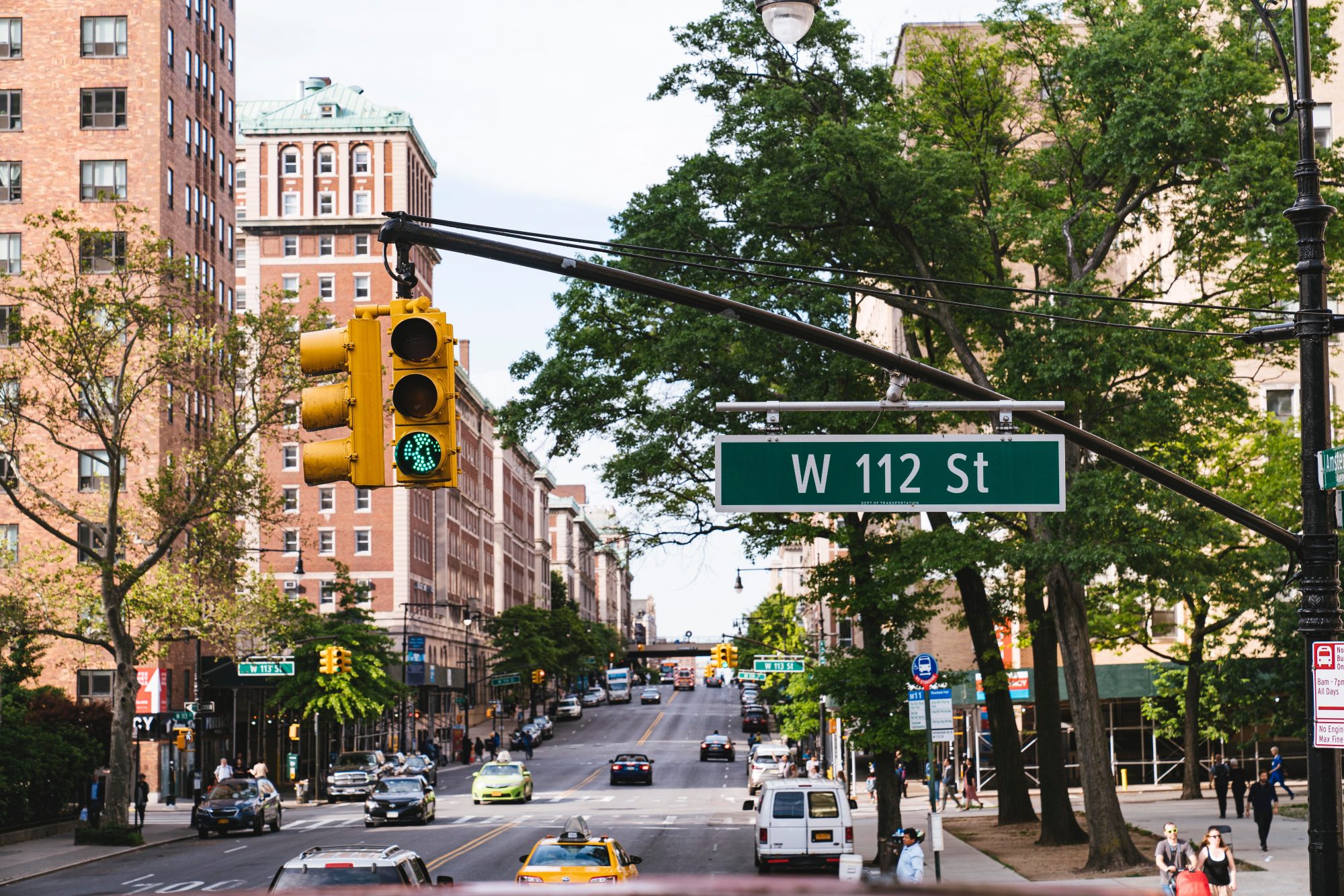
Scroll through TikTok and you will find New York City everywhere — videos encouraging viewers to plan that trip to the city, move into that apartment, and party their twenties away. Millions of people experience New York through a screen, yet millions more call it home. For those who stay, a question lingers in the minds of residents and visitors alike: why raise a child here, in the largest, loudest, most relentless city in the country?
The answer is found all around you. Critics of raising kids in the city often imagine childhood as a quiet, calm experience — one that requires distance from density and chaos. But the reality is far from that view. The city offers children what the suburbs cannot: accessibility, diversity, independence, and autonomy. These qualities shape children into independent, thoughtful, and creative people from an early age.
Diversity as an Everyday Reality
New York is one of the most diverse places in the world, with hundreds of languages spoken across its five boroughs. In the simple act of boarding a bus or riding the subway from one neighborhood to another, children are exposed to people from every walk of life. Inside classrooms and shared spaces like parks, diversity is not a lesson — it is an everyday reality. Empathy and awareness are built naturally in ways that suburban environments struggle to replicate.
Critics also often point to the suburbs as the superior destination for education. But in New York City, learning is not defined by classroom walls alone.
I spoke with several people who grew up across the city, and a clear consensus emerged. A lifelong resident of Midtown told me: "Growing up in the city, I was always around people who showed me how diverse and amazing languages and cultures are. I never had friends from just one place or way of thinking, and that really made me consider different points of view that I don't think I would have had growing up somewhere else." Research supports this experience — New York City schools reflect the neighborhoods they serve, exposing students from all backgrounds, including ESL and first-generation students, to diverse perspectives every day.
Building Independence Early
A resident of Astoria, Queens described what independence looked like for her generation: "Growing up and going to school in New York isn't just about what you learn in the classroom. By the time I was in sixth grade, I was walking home with friends, planning Friday afternoons in the neighborhood, and practicing personal responsibility. You don't need a car to get around, so it's easy to start building independence early." A current college student from Bay Ridge, Brooklyn put it simply: "New York made sure you were never bored. You learned common sense without being told. My friends and I spent our time between boroughs, planning our bus and train routes carefully. Even today, I can get anywhere by foot or transit — and so can my friends from separate boroughs."
The Real Drawbacks: Housing, Childcare, and Third Spaces
For all the strengths that come from raising a family in this city, New York presents real drawbacks. The rising cost of rent and housing, the lack of accessible childcare, and the disappearance of third spaces are the greatest challenges facing New York families today.
The cost of living is a significant barrier for many. Rent prices and home values continue to climb while wages fail to keep pace. Gentrification has reshaped entire neighborhoods, pushing out the working-class families who built them. I spoke with a man who grew up in Brooklyn, in a neighborhood long considered affordable and ideal for families. Today, he cannot find an apartment he can afford in the place he was raised. For native New Yorkers, the prospect of building a future in the city they love is increasingly bleak. The average combined salary of many couples falls short of comfortably covering a mortgage, let alone raising children.
Rent-stabilized housing exists as an option, but waitlists stretch for years, and lotteries for larger or more affordable units draw lines down the block. When families do secure affordable housing, they often find that the space is a shoebox — tight quarters where adding children to the equation leaves room only to breathe.
The Childcare Crisis
For families who manage to find appropriate housing, childcare presents the next obstacle. While New York City offers free public schooling and universal pre-K and kindergarten programs, waitlists are long in crowded neighborhoods. For families where both parents work and their children are still young, finding affordable and safe daycare is a serious struggle. I spoke with one woman who told me that she and her partner pay over four thousand dollars a month for their two young children to attend a private daycare — a cost that requires both parents to work just to stay afloat. This is not an isolated situation. Full-time childcare in New York City is estimated to cost between two thousand and four thousand dollars per child, per month. Many families feel trapped, afraid to speak publicly about a crisis embedded in the structures of work and inflation.
Mayor Zohran Mamdani and Governor Kathy Hochul have announced a free and universal childcare program that would cover children ages two through five — known as 2-Care and 3K. Many families are hopeful. The program is expected to be fully funded and operational by the 2028–29 school year, but questions remain about availability and quality in the years leading up to that goal. The number of young children in New York City appears to outpace the number of seats in quality free programs, and the coming months will be telling for whether the care promised by the city and state is delivered in practice.
The Disappearance of Third Spaces
Even for families who navigate housing and childcare costs, finding community support is becoming harder. Third spaces — community centers, libraries, and recreational facilities — are underfunded or disappearing entirely as developers pursue new opportunities. Studies have shown that these spaces keep children out of harmful situations and provide a support network for families and neighborhoods alike. Without intentional investment in third spaces, New York risks losing the sense of community that once made raising children here feel not just possible, but worthwhile.
The Future of NYC Families
If New York truly values the families that shape the identity of this city, policies must be put in place to ensure that all children have a chance to stay and contribute. Livable neighborhoods are not a luxury — they are the foundation of New York's future. As the new administration settles into office, there is cautious hope among many New Yorkers that affordable childcare, fair housing, and revitalized third spaces will prove to be lasting commitments rather than empty campaign promises.
Maybe the greatest strength of the city that never sleeps is its chaos — controlled, yet capable of shaping people ready to take on tomorrow and beyond.
Related Articles
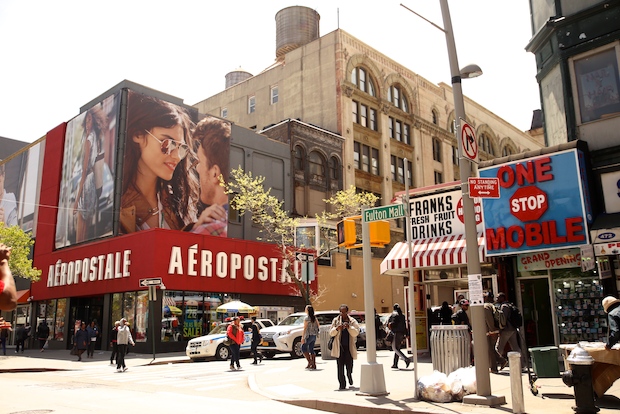
From Abandoned Site to Affordable Housing: The Story of 1024 Fulton Street
A neglected state-owned site in Brooklyn is being transformed into 125 permanently affordable homes. Sabina Hughes tells the story of 1024 Fulton Street and what it reveals about repurposing public land to fight NYC's affordability crisis.
6 min read
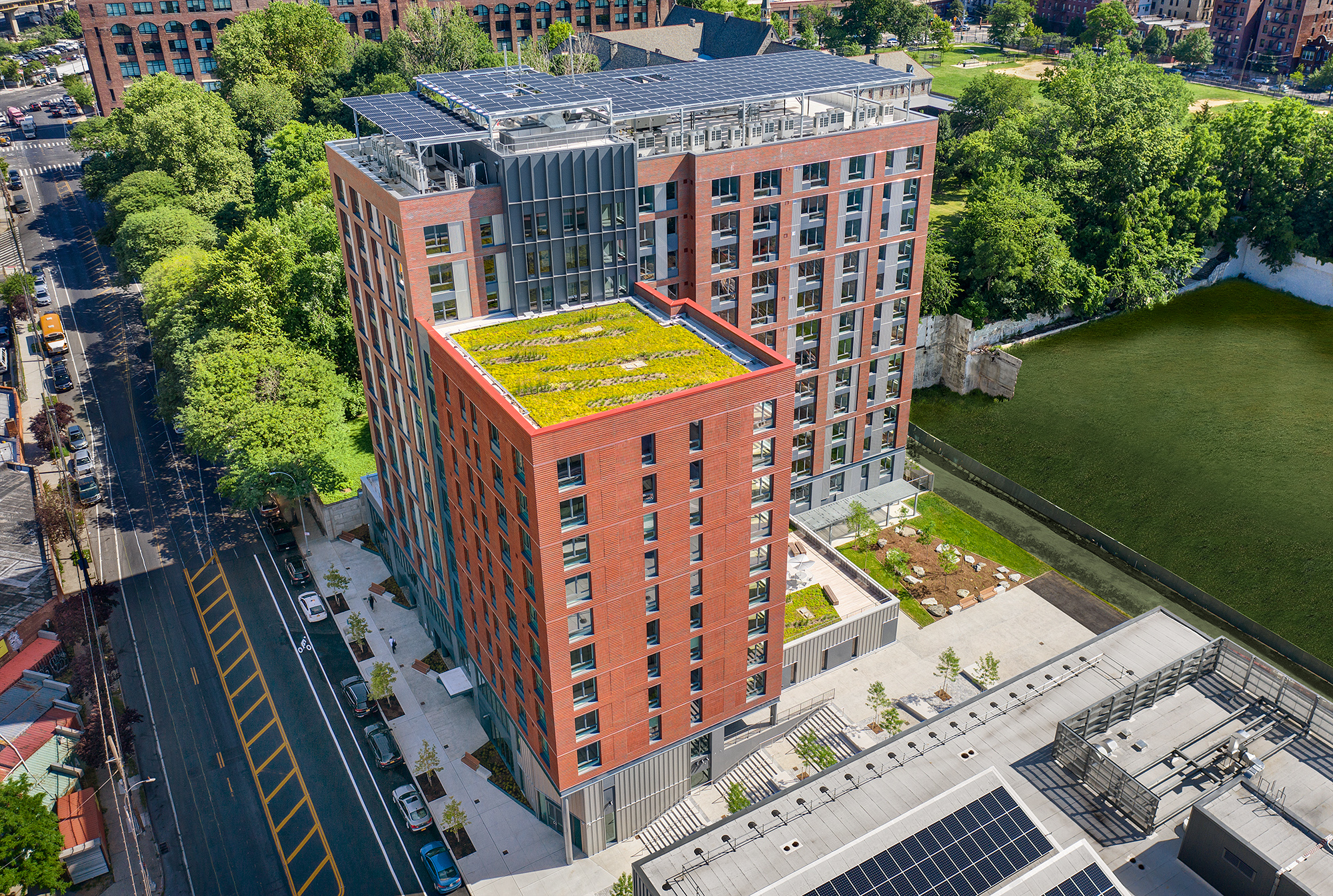
Zoning for Tomorrow: How land-use policies can support innovation, adaptability, and economic resilience in New York City
New York City's outdated zoning laws limit where businesses can operate and how buildings can be designed. Evangeline Eastman argues that modernizing land-use policy can support innovation, adaptability, and economic resilience across the city.
7 min read
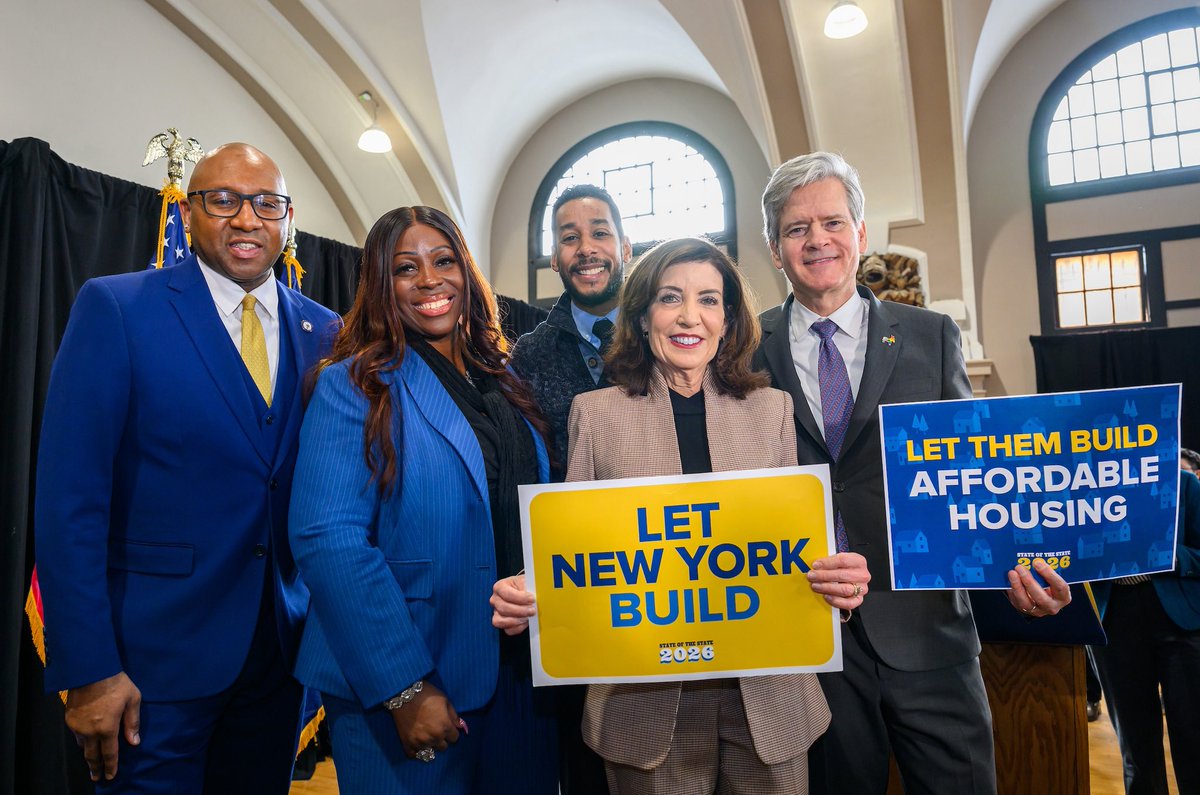
Kathy Hochul's "Let Them Build" — Will Environmental Reform Actually Solve NYC's Housing Crisis?
Governor Hochul's 'Let Them Build' agenda promises to streamline environmental review for housing projects. But is faster paperwork enough to solve New York's deeper housing crisis?
7 min read