Office to Residential Conversion: How Boston is Trailblazing the Post-Pandemic Downtown Expansion Initiative
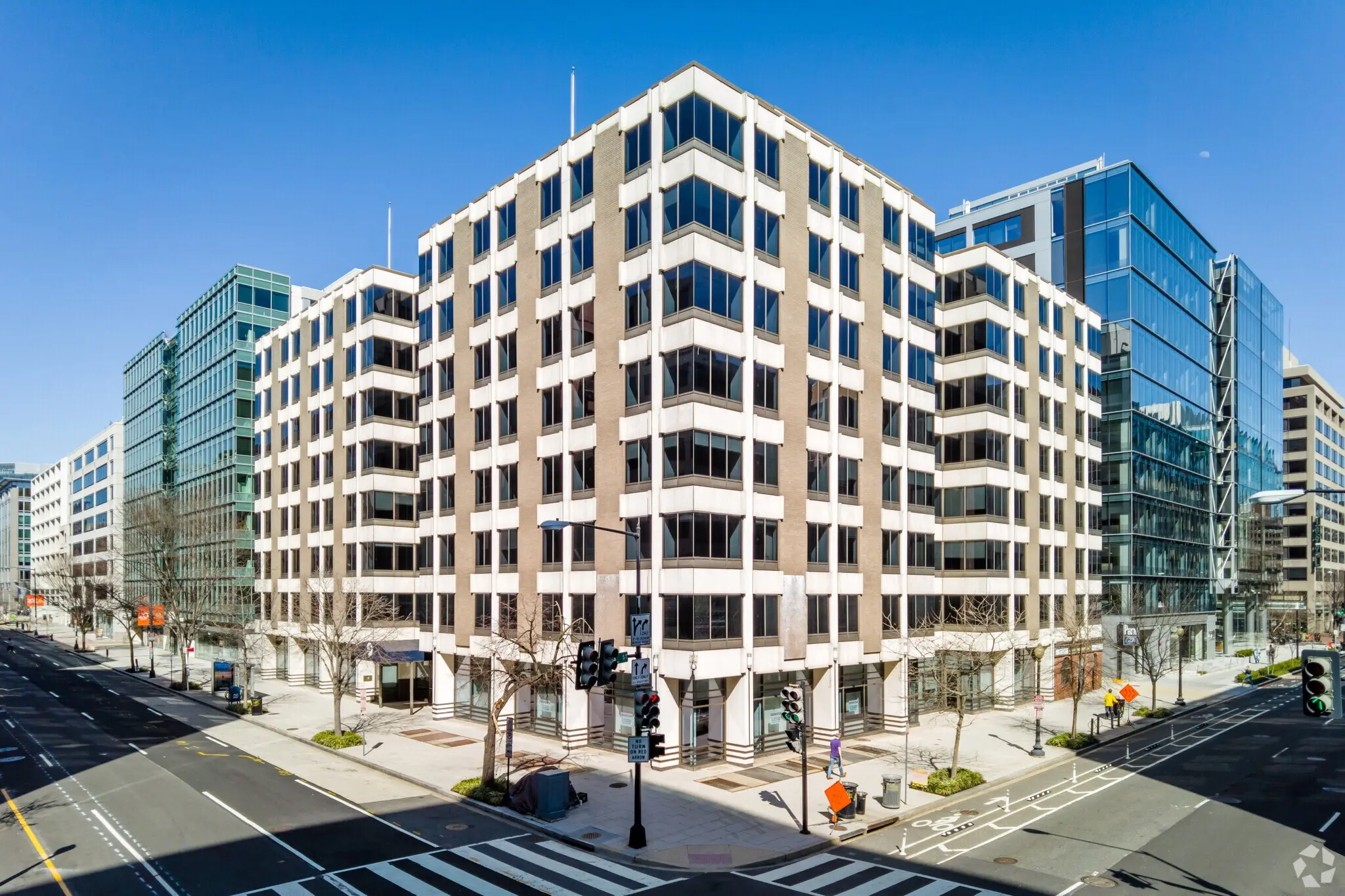
After the COVID-19 pandemic, the concept of a remote job left thousands of empty office spaces vacant in numerous cities nation-wide. The movement for the conversion of office space to residential living has surged in Boston, where the pandemic left its downtown with vacancies on every street. Office to residential conversions are the transformation of designated office spaces into residential homes, often low-income, as a sustainable way to increase residential spaces for growing urban populations. The City of Boston specifically began an incentivization plan called the Office to Residential Conversion Program in October of 2023.
Mayor Michelle Wu saw this plan as an opportunity to create much needed housing while increasing the population of the city's downtown. This program aligns perfectly with the 2022 Downtown Revitalization Plan—offering the opportunity to take advantage of existing buildings and improve downtown Boston. Boston's Financial District, while bustling 9 to 5, has a severe lack of residential housing in comparison to the surrounding areas and most of the existing units are luxury condos, far out of reach for the average resident. The goal of the Office to Residential Conversion Program is to create mixed income housing for both students, downtown workers and income-restricted housing. This program could change the future demographic of downtown Boston from professional to inviting and economical.
Affordable Housing for All
Because all members of the Boston community should be able to enjoy the up and coming downtown regardless of their income, this program guarantees 17% of all units are low to mid income accessible. These units appeal to individuals and families who are getting priced out of Boston and ensure that all residents can benefit from these new developments. This project also intends on preserving ground floor retail by zoning for multi-use buildings. The apartments will have cafes, restaurants, and even gyms, creating a genuine mixed-use community in a place that used to appeal solely to those in a suit and tie.
To make this possible, the City of Boston is actively making the conversion desirable to developers who share the same goal for downtown economic progress. The program offers a tax abatement and "as-of-right" zoning, which allows a project to move forward without special permits if the project meets all existing requirements. This speeds up the process and makes conversions a better option than just tearing down existing buildings and building new ones. The state government has also shown interest in this project, seeing it as a way to increase housing and meet affordable housing guidelines.
The state of Massachusetts created the Commercial Conversion Tax Credit in the Affordable Homes Act which acts similarly by creating tax credits for developers. They are also using the Federal Historic Tax Credit, administered by the federal government, that provides a tax credit for the rehabilitation of historic buildings. These old buildings often sit completely empty because of new safety code violations or simply because they are "too much work." This is monumental for old cities like Boston, whose housing stock is considerably older than other US cities. The state and federal governments pushing to fund these projects could show the necessity of this program to the future of housing in American cities.
Sustainability of Adaptive Reuse
Not only are these buildings incredibly effective at reducing green space destruction, but they also help promote sustainable building and energy efficient housing. By reusing the outer structure of the building, they reduce emissions and waste caused by demolition materially. The manufacturing process of creating a new building causes alarmingly high levels of carbon emissions, which are simply unnecessary if the existing building is in good condition. Renovating an older building also has significant energy impacts, as buildings are updated to improve energy efficiency and air quality.
Increasing populations and lack of space make it difficult for developers to find land parcels that suit their needs. By using an existing building, Boston doesn't only create desirable housing but also improves the city's overall energy and water efficiency—pushing Boston closer to meeting sustainability goals.
Boston prides itself on being a green city with advanced climate policy due to its abundant research facilities. The process of reusing buildings fits the criteria of sustainable development and offers the chance to help the economy without interrupting environmental progress.
Program Success
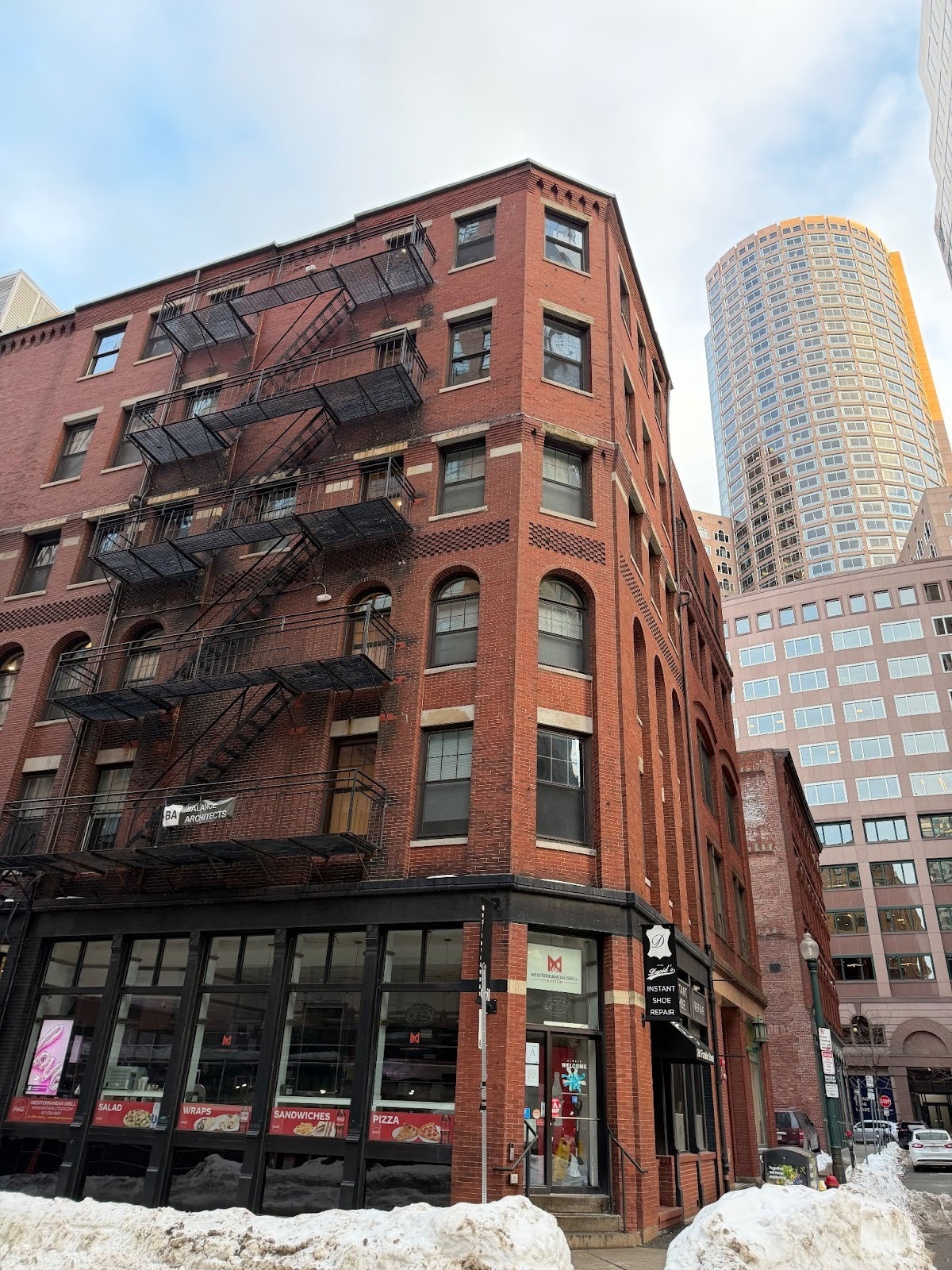
As of February 2026, 22 applications for 27 building conversions have been accepted. These plans create 1,517 housing units with 284 for low income and housing voucher holders. Currently, one building has been fully completed with 15 housing units, three of which qualify as affordable. The building is pictured above, with a restaurant on the ground floor and five floors of apartments. Construction is in progress for five buildings and there is predicted to be at least 321 completed units by the end of 2026. This project will bring over 3,000 new people to the downtown area, making it a lively environment where people not only come to work, but also to live and enjoy the city.
A Model for Other Cities
This striking success has influenced other cities such as Chicago, Pittsburgh, Washington D.C. and Seattle to take action. Chicago began the LaSalle Street Reimagined in January 2025 and Washington DC released the start of Housing in Downtown tax abatement program in March 2024. These projects not only bring economic development to the city, but also increase the affordable housing for those who find city living out of reach. This is revolutionary for the future of downtowns, who for over forty years have consisted of strictly commercial buildings, lacking the warmth of urban residential neighborhoods.
This program offers the opportunity to change deserted downtowns into places which attract a larger crowd than the typical financial district commuter. It serves as a way to bring people into the downtown area without crowding existing neighborhoods and destroying greenspace. Cities are changing with the rise of online work and we need to adjust with this change. As the saying goes, one person's abandoned office is someone else's dream home.
At CivicReset, we approve—and we hope that more cities will follow Boston's footsteps!
Related Articles
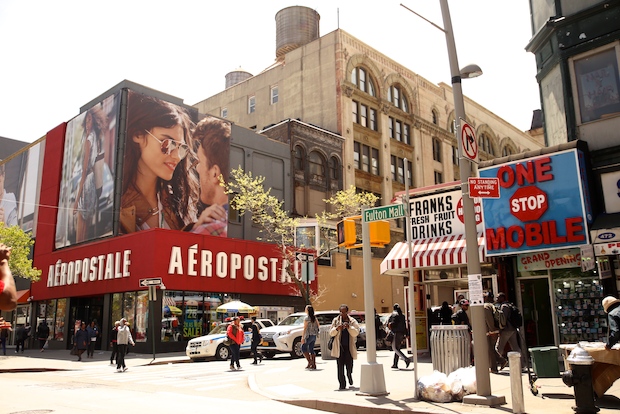
From Abandoned Site to Affordable Housing: The Story of 1024 Fulton Street
A neglected state-owned site in Brooklyn is being transformed into 125 permanently affordable homes. Sabina Hughes tells the story of 1024 Fulton Street and what it reveals about repurposing public land to fight NYC's affordability crisis.
6 min read
Zoning for Tomorrow: How land-use policies can support innovation, adaptability, and economic resilience in New York City
New York City's outdated zoning laws limit where businesses can operate and how buildings can be designed. Evangeline Eastman argues that modernizing land-use policy can support innovation, adaptability, and economic resilience across the city.
7 min read
Kathy Hochul's "Let Them Build" — Will Environmental Reform Actually Solve NYC's Housing Crisis?
Governor Hochul's 'Let Them Build' agenda promises to streamline environmental review for housing projects. But is faster paperwork enough to solve New York's deeper housing crisis?
7 min read