Kathy Hochul's "Let Them Build" — Will Environmental Reform Actually Solve NYC's Housing Crisis?
A Housing Crisis That Is Bigger Than One Process
As of 2026, New York City's housing crisis is often described as a zoning problem. Although true, the topic is complicated and comes with nuance.
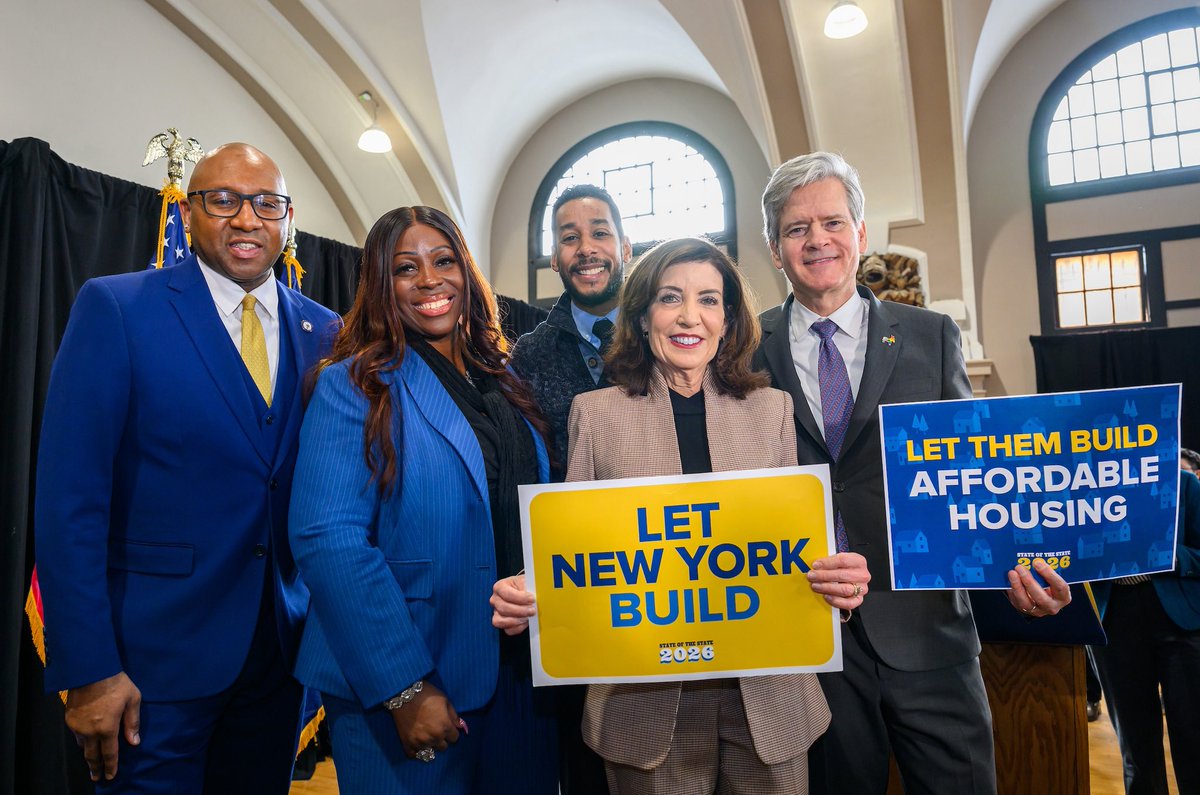
Governor Hochul's 'Let Them Build' agenda argues that even when housing is allowed, state environmental review can slow projects, raise costs, and make development harder to finance. The proposal streamlines parts of the State Environmental Quality Review Act, also known as SEQRA, for low-risk housing as well as infrastructure projects while also setting clearer timelines for reviews that move forward.
The proposal is appealing, but it also raises bigger questions. If New York City speeds up environmental review, will that actually make a serious dent in the housing crisis, or just shave time off one piece of a much larger problem?
What "Let Them Build" Would Actually Change
At first glance, the proposal sounds simple: if harmless projects are getting stuck in years of paperwork, we need to shorten the paperwork. Hochul says that major projects in New York can take up to 50% longer than other states to begin construction, and that environmental reviews take an average of 2.5 years to complete. Her agenda is designed to speed up projects that the state found not to cause environmental harm.
However, Hochul's plan does not override local zoning rules or basic environmental protections, and this matters. In New York City, many projects already move forward without going through the most contentious kind of public land-use fight. Environmental review becomes a bigger issue when a project needs special government approval, such as a rezoning. In those projects, the review process can become a much longer and much more expensive journey. CBC found that a two-year discretionary approval process can raise development costs by 11% to 16%.
Why Environmental Review Has Become a Housing Question
This reform draws from previous attempts, such as New York City's Green Fast Track for Housing rules. The policy passed in 2024, was designed to help smaller and mid-sized housing developments move faster by cutting unnecessary red tape.
If modest housing projects on already developed land are getting bogged down in long studies and procedural delay, then environmental review starts to be less like protection and more like paralysis. When the city is desperate for housing, it makes a strong argument that environmental review can be a real barrier for at least one part of the housing pipeline.
Not every project poses the same level of environmental risk. A mid-sized residential building in an already dense neighborhood is not the same as a major industrial development or a project that reshapes undeveloped land. Treating them the same can make the process feel blunt and outdated.
Is SEQRA Reform Enough?
Even if Hochul's reforms work as intended, they would only address one bottleneck. Faster review does not automatically allow more housing to be built. It does not lower interest rates, replace tax incentives, expand subsidies for affordable housing, or make construction costs disappear. And those forces shape what gets built just as much as paperwork does.
That is why process reform can feel both meaningful and insufficient at the same time. Yes, delay matters. But so do land-use rules, financing conditions, tax policy, infrastructure limits, and political will. A project can clear environmental review faster and still never happen because the numbers no longer work.
"Let Them Build" may help some projects move faster, but it cannot, by itself, solve the deeper structural reasons New York does not build enough housing.
What the Reform Could Do Well
The strongest case for Hochul's plan is predictability.
When a project spends years in the planning stage before construction, the results are rising costs, shakier financing, and even worthwhile housing dying before construction begins. If Hochul's reforms reduce unnecessary review for low-risk housing, more mid-sized housing projects on already developed land may survive long enough to break ground. Although that would not solve the shortage by itself, it could remove one needless brake from the system.
There is also a smart-growth argument for the plan. Hochul says the agenda is meant to help localities accelerate low-risk development while still protecting communities and natural resources. NYC's Green Fast Track rests on the same logic, by narrowing the exemption to some modest housing developments rather than all projects.
Over time, that could make it easier to build housing on already-developed sites in dense urban areas where additional homes generally create fewer environmental conflicts than sprawling outward growth. In that sense, environmental streamlining could support housing production and even climate goals at the same time.
What Could Go Wrong
The biggest risk is that a faster review can become a blunter review.
Environmental review is not just a bureaucratic hurdle; it helps city agencies identify and address major impacts of development. If the process is rushed, issues with water and sewer capacity may be overlooked, leading to sewer backups, street flooding, pressure drops, and combined sewer overflows. In a city already facing aging infrastructure and flood risk, critics warn that streamlining could miss cumulative problems.
Environmental Advocates NY has made this concern clear. While supporting the need for more housing, the group argues that New York cannot trade speed for sound planning.
Furthermore, there is also a political risk of overpromising. If lawmakers sell SEQRA reform as the answer to the housing crisis, the pressure to address deeper structural issues can fade. But, fixing NYC's housing challenges requires a much broader response, including zoning reform and increasing capacity. A faster review system could still leave New York with too little housing if the state and city do not also change the basic rules around what can be built, where, and under what financial conditions.
Looking Ahead
Hochul's "Let Them Build" agenda is best understood as a procedural reform that could make some housing projects faster and cheaper. While that matters in a city where even modest delays can kill development, the broader housing crisis in New York City was not created by environmental review alone, and it will not be solved by environmental review alone. A meaningful solution still requires more zoning reform, stronger tax and financing tools, stable subsidies, and infrastructure that can support additional growth. "Let Them Build" may help New York move faster. It just is not enough as itself to solve why the city does not build enough homes.
Related Articles

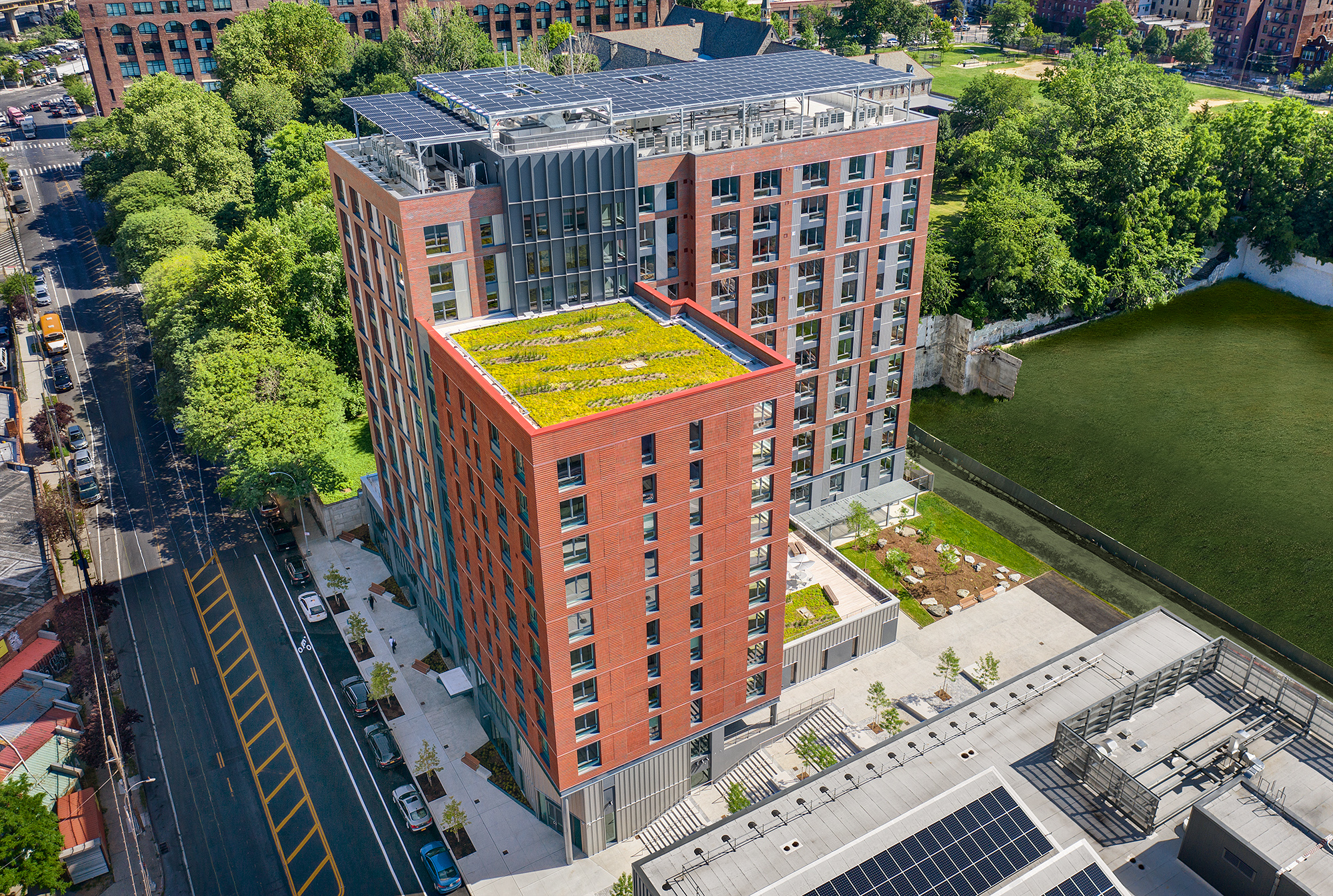
From Abandoned Site to Affordable Housing: The Story of 1024 Fulton Street
A neglected state-owned site in Brooklyn is being transformed into 125 permanently affordable homes. Sabina Hughes tells the story of 1024 Fulton Street and what it reveals about repurposing public land to fight NYC's affordability crisis.
6 min read
Zoning for Tomorrow: How land-use policies can support innovation, adaptability, and economic resilience in New York City
New York City's outdated zoning laws limit where businesses can operate and how buildings can be designed. Evangeline Eastman argues that modernizing land-use policy can support innovation, adaptability, and economic resilience across the city.
7 min read
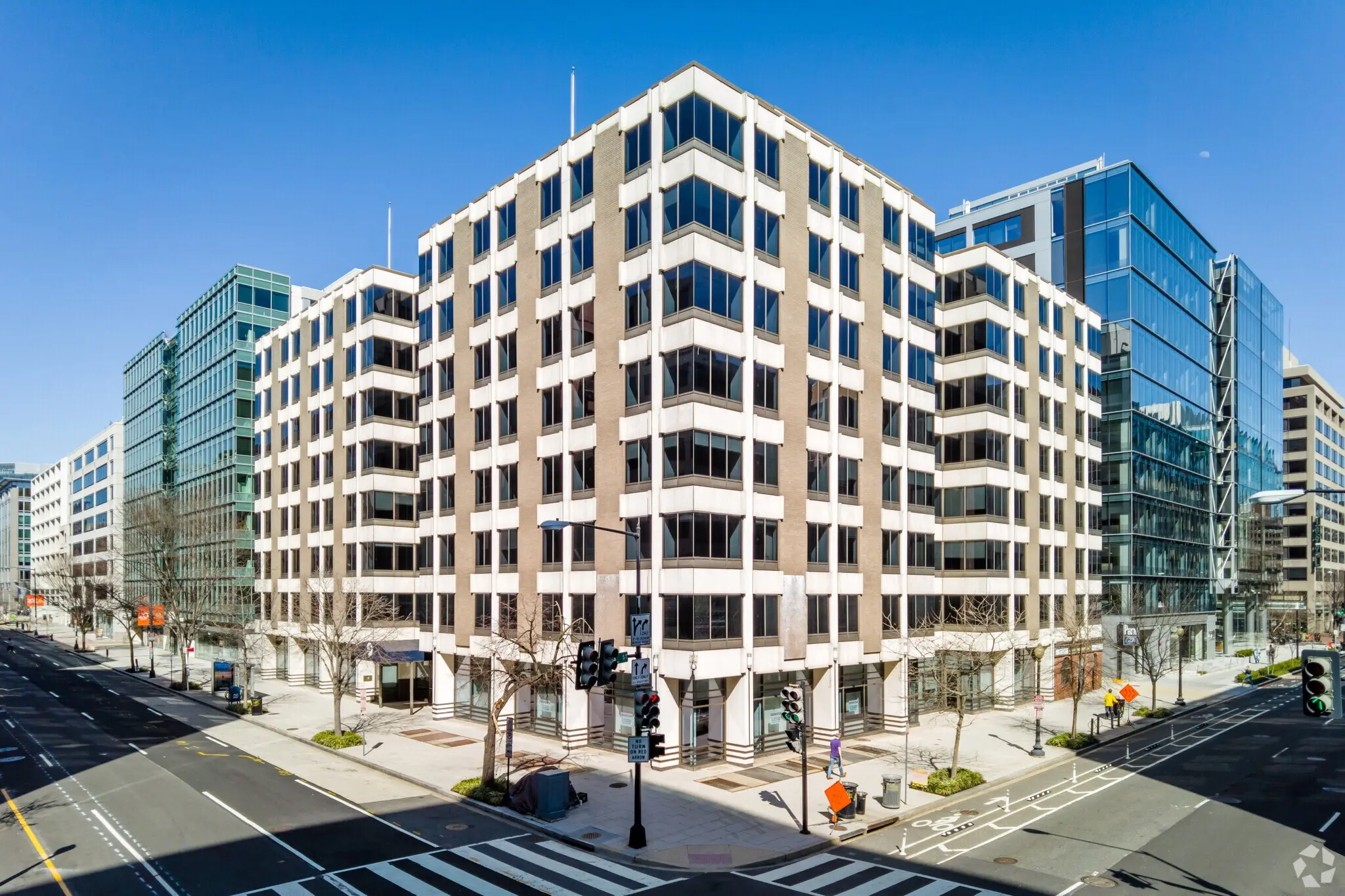
Office to Residential Conversion: How Boston is Trailblazing the Post-Pandemic Downtown Expansion Initiative
After the COVID-19 pandemic left thousands of office spaces vacant, Boston launched an innovative Office to Residential Conversion Program that's creating affordable housing while revitalizing downtown—and other cities are following suit.
6 min read